
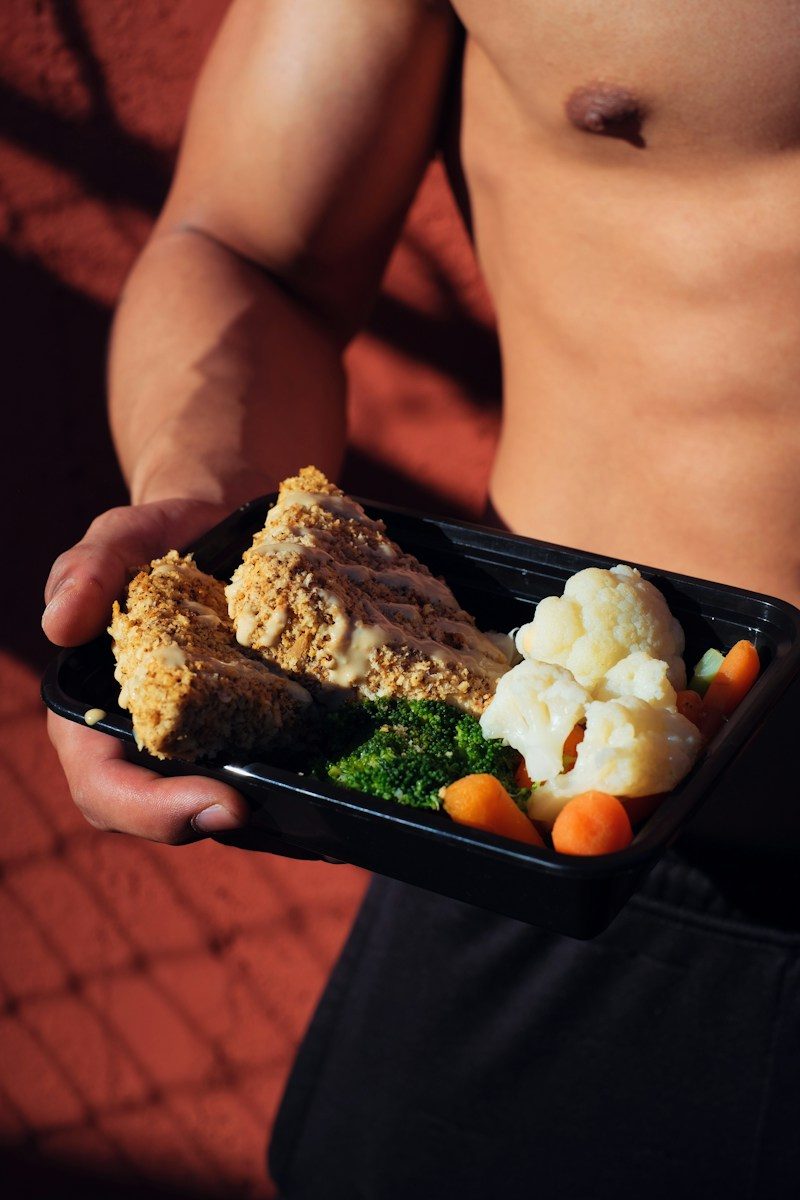
7-Day Workout and Meal Plan for Busy Americans
Looking for a simple and effective way to stay healthy despite your busy schedule? This 7-day workout and meal plan for busy Americans is designed to help you build healthier habits without spending hours at the gym or in the kitchen.
Between demanding work schedules, family responsibilities, household chores, and everyday commitments, finding time to exercise and prepare nutritious meals can feel overwhelming. For many Americans, long working hours, stressful routines, and the convenience of fast food make maintaining a healthy lifestyle even more challenging.
The good news? You don’t need expensive gym memberships, complicated diets, or hours of meal preparation to improve your health and fitness.
In this beginner-friendly guide, you’ll discover a practical 7-day workout and meal plan for busy Americans, featuring quick home workouts, easy healthy meal ideas, simple meal-prep strategies, and realistic fitness tips. Whether your goal is to lose weight, boost your energy, build strength, or develop healthier daily habits, this flexible weekly plan will help you get started—even with a packed schedul
However, improving your health doesn’t require spending two hours at the gym or preparing complicated meals every day.
With the right strategy, you can build healthier habits using short workouts, simple recipes, and realistic daily routines.
This 7-day workout and meal plan for busy Americans is designed to help you get started without completely changing your schedule.
Whether you’re a working professional, a busy parent, a college student, or someone looking to improve your fitness, this beginner-friendly plan offers practical solutions that fit into everyday American life.
Over the next seven days, you’ll discover how to combine 15–25-minute home workouts with affordable, nutritious meals using ingredients commonly available at grocery stores across the United States.
The goal isn’t perfection or rapid weight loss. Instead, it’s developing sustainable habits that support your energy, strength, overall fitness, and long-term well-being.
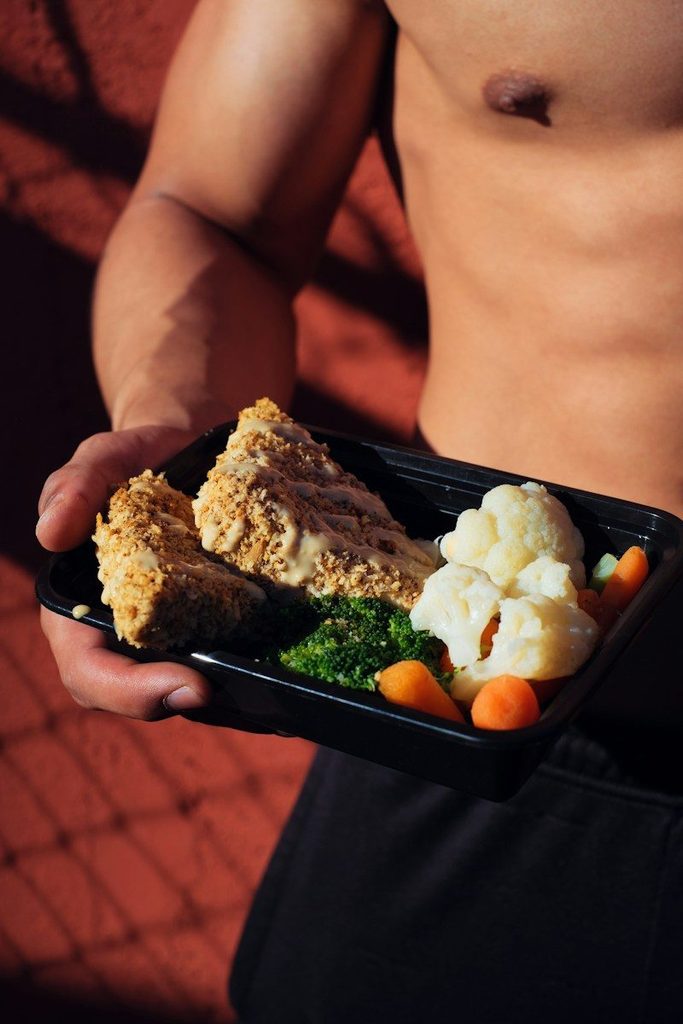
Why Busy Americans Need a Simple Workout and Meal Plan
Modern American lifestyles often involve prolonged sitting, commuting, irregular meal schedules, and limited opportunities for physical activity.
Without a realistic plan, exercise and healthy eating can quickly become lower priorities.
A structured weekly routine helps eliminate unnecessary decisions and makes it easier to stay consistent.
Benefits of following a 7-day fitness and meal plan
-
Better time management: Knowing what to eat and when to exercise reduces daily planning.
-
Improved energy: Balanced meals and regular movement can support energy throughout the day.
-
Weight management: Physical activity combined with appropriate portions can help support healthy weight goals.
-
Stronger muscles: Consistent resistance exercises help maintain and improve muscular strength.
-
Reduced stress: Exercise may improve mood and help manage everyday stress.
-
Healthier eating habits: Planning meals reduces reliance on last-minute takeout and highly processed convenience foods.
-
Long-term consistency: Small, repeatable actions are often easier to maintain than extreme routines.
According to the Centers for Disease Control and Prevention, adults should aim for at least 150 minutes of moderate-intensity aerobic activity each week, along with muscle-strengthening activities on at least two days.
This beginner plan provides a starting point toward those recommendations. Its shorter sessions may not meet the full weekly aerobic target, so you can gradually add brisk walking or other enjoyable movement as your fitness improves.
What You’ll Need Before Starting
One of the best things about this plan is that you don’t need an expensive gym membership, complicated equipment, or specialty foods.
For exercise, prepare a comfortable workout space, supportive shoes, a water bottle, and an exercise mat if available. A sturdy chair and light dumbbells are optional.
For meals, focus on simple grocery staples such as eggs, oatmeal, chicken, beans, brown rice, frozen vegetables, fruit, yogurt, and whole-grain bread.
Most importantly, choose a consistent time for exercise.
Morning workouts may work best for people with unpredictable evenings, while lunch breaks or after-work sessions may be more convenient for others.
Start at a comfortable intensity, and increase your activity gradually. If you have a medical condition, significant mobility limitations, or symptoms that affect exercise safety, seek individualized guidance from a qualified healthcare professional.
Your Complete 7-Day Workout and Meal Plan at a Glance
The following weekly schedule combines beginner-friendly workouts with practical American-style meals.
| Day | Workout | Breakfast | Lunch | Dinner |
|---|---|---|---|---|
| Monday | 20-minute full-body workout | Oatmeal and berries | Chicken wrap | Salmon, rice, broccoli |
| Tuesday | 20-minute brisk walk | Eggs and whole-grain toast | Turkey sandwich | Chicken and vegetable stir-fry |
| Wednesday | 20-minute lower-body workout | Greek yogurt and fruit | Quinoa and bean bowl | Turkey chili |
| Thursday | 20-minute walk and mobility | Banana oatmeal | Tuna salad wrap | Chicken fajita bowl |
| Friday | 20-minute upper-body workout | Scrambled eggs and spinach | Chickpea salad | Baked chicken and sweet potato |
| Saturday | 25-minute cardio workout | Peanut butter toast and banana | Grilled chicken salad | Whole-wheat pasta with vegetables |
| Sunday | 15-minute recovery session | Yogurt and oatmeal | Leftover grain bowl | Vegetable and bean soup |
This schedule is flexible. You can swap meals, change workout times, or substitute similar foods based on your preferences, budget, and dietary needs.
Day 1: Monday — Start Strong With a Full-Body Workout
Monday is the perfect opportunity to establish a positive routine.
Your goal is to activate major muscle groups, prepare balanced meals, and begin the week with achievable expectations.
Monday workout: 20-minute full-body routine
Start with a three-minute warm-up consisting of marching in place, arm circles, and gentle side steps.
Complete two rounds of the following exercises, taking short breaks as needed.
| Exercise | Repetitions |
|---|---|
| Bodyweight squats | 10 |
| Wall push-ups | 10 |
| Standing knee raises | 12 total |
| Glute bridges | 12 |
| Standing side steps | 30 seconds |
Use the remaining time for rest, a comfortable walk in place, and gentle stretching.
This workout engages your legs, chest, core, and glutes without requiring gym equipment.
Beginners can perform chair-assisted squats or reduce repetitions.
Monday healthy meal plan
Breakfast: Berry oatmeal
Prepare rolled oats with milk or fortified soy milk. Add blueberries, strawberries, and a spoonful of chopped nuts.
Lunch: Grilled chicken wrap
Fill a whole-wheat tortilla with cooked chicken, lettuce, tomatoes, and a yogurt-based dressing.
Dinner: Baked salmon with brown rice
Serve baked salmon alongside brown rice and steamed broccoli.
Optional snack: An apple with peanut butter.
Time-saving tip: Cook extra brown rice and chicken to use in meals later in the week.
Day 2: Tuesday — Quick Cardio and Easy Meal Preparation
Tuesday focuses on cardiovascular activity and simple, satisfying meals.
Walking is one of the easiest ways to increase physical activity without adding unnecessary complexity to your schedule.
Tuesday workout: 20-minute brisk walk
Follow this routine:
-
3 minutes of comfortable walking.
-
14 minutes of brisk walking at a pace that raises your breathing but still allows conversation.
-
3 minutes of slower walking to cool down.
You can walk outdoors, on a treadmill, around your neighborhood, or inside a large building.
If your schedule is especially busy, divide the workout into two 10-minute walks.
Tuesday healthy meal plan
Breakfast: Scrambled eggs and toast
Prepare two scrambled eggs with whole-grain toast and an orange.
Lunch: Turkey and avocado sandwich
Use whole-grain bread, sliced turkey, avocado, spinach, and tomato. Choose lower-sodium turkey when available.
Dinner: Chicken and vegetable stir-fry
Cook chicken breast with frozen mixed vegetables, garlic, and a modest amount of reduced-sodium soy sauce. Serve over brown rice.
Optional snack: Plain Greek yogurt with berries.
Time-saving tip: Frozen vegetables can eliminate much of the washing and chopping required for dinner.
Day 3: Wednesday — Build Lower-Body Strength
By Wednesday, your body may be adjusting to regular movement.
Today focuses on strengthening your legs and glutes while maintaining a balanced eating routine.
Wednesday workout: 20-minute lower-body routine
Warm up for three minutes with easy marching and gentle hip movements.
Complete two rounds of the following exercises.
| Exercise | Repetitions |
|---|---|
| Chair squats | 12 |
| Reverse lunges or supported step-backs | 8 per leg |
| Standing calf raises | 15 |
| Glute bridges | 12 |
| Standing side leg raises | 10 per leg |
Rest between movements as needed, then finish with gentle lower-body stretches.
These exercises can help develop strength for everyday activities such as climbing stairs, carrying groceries, and getting up from a chair.
Wednesday healthy meal plan
Breakfast: Greek yogurt breakfast bowl
Combine plain Greek yogurt with sliced bananas, strawberries, and a small serving of oats.
Lunch: Quinoa and black bean bowl
Mix cooked quinoa, black beans, diced tomatoes, corn, and avocado. Add lime juice for flavor.
Dinner: Homemade turkey chili
Prepare lean ground turkey with kidney beans, tomatoes, onions, and chili seasoning.
Make extra portions for another meal or freeze them for a busy day.
Optional snack: Carrot sticks with hummus.
Time-saving tip: Prepare chili in a slow cooker or make a large batch to reduce cooking time later.
Day 4: Thursday — Active Recovery and Healthy Eating
Recovery is an important part of any successful fitness routine.
Instead of pushing through another demanding workout, Thursday emphasizes gentle movement and mobility.
Thursday workout: 20-minute recovery routine
Spend approximately 12 minutes walking at an easy-to-moderate pace.
Then perform eight minutes of comfortable mobility exercises, including shoulder rolls, gentle trunk rotations, ankle circles, and calf stretches.
Avoid forcing stretches or pushing into pain.
Recovery days help make a weekly routine more manageable, particularly for beginners who are not accustomed to frequent exercise.
Thursday healthy meal plan
Breakfast: Banana oatmeal
Prepare oatmeal with banana slices, cinnamon, and chopped walnuts.
Lunch: Tuna salad wrap
Combine canned light tuna with plain Greek yogurt, celery, and black pepper. Serve in a whole-wheat wrap with lettuce.
Dinner: Chicken fajita bowl
Combine cooked chicken, sautéed bell peppers, onions, brown rice, black beans, and salsa.
Optional snack: A pear and a small handful of almonds.
Time-saving tip: Use leftover chicken from earlier meals to assemble dinner quickly.
Day 5: Friday — Strengthen Your Upper Body
Friday focuses on upper-body strength and posture-supporting muscles.
Many busy Americans spend hours working at desks, using computers, or looking at smartphones.
Regular strength training can help maintain the muscles needed for everyday movement.
Friday workout: 20-minute upper-body routine
Begin with three minutes of arm circles, shoulder movements, and marching.
Complete two rounds of these exercises:
| Exercise | Repetitions |
|---|---|
| Wall push-ups | 12 |
| Dumbbell or water-bottle rows | 10 per arm |
| Light shoulder presses | 10 |
| Biceps curls | 12 |
| Bird dogs | 8 per side |
Finish with comfortable shoulder and chest stretches.
Use light weights that allow controlled movement without straining.
If you don’t have dumbbells, filled water bottles can provide light resistance.
Friday healthy meal plan
Breakfast: Spinach scrambled eggs
Cook eggs with fresh spinach and serve with whole-grain toast.
Lunch: Chickpea salad
Combine chickpeas, cucumbers, tomatoes, olive oil, lemon juice, and your favorite herbs.
Dinner: Baked chicken and sweet potatoes
Serve baked chicken with roasted sweet potatoes and green beans.
Optional snack: Cottage cheese with sliced fruit.
Time-saving tip: Roast extra vegetables so you can use them for lunch over the weekend.
Day 6: Saturday — Enjoy a Fun Cardio Workout
Saturday offers an opportunity to try a slightly longer workout.
You don’t need to run, jump, or perform complicated exercises to improve your cardiovascular fitness.
Low-impact cardio can be effective and approachable for beginners.
Saturday workout: 25-minute low-impact cardio
Begin with five minutes of easy marching and side steps.
Then complete two rounds of the following movements:
| Exercise | Duration |
|---|---|
| Marching in place | 2 minutes |
| Side-to-side steps | 2 minutes |
| Low-impact step jacks | 2 minutes |
| Alternating knee lifts | 2 minutes |
| Easy walking or marching | 2 minutes |
Finish with a five-minute cooldown.
Adjust your speed to match your fitness level. You should be breathing faster during the main workout but still able to speak.
Saturday healthy meal plan
Breakfast: Peanut butter banana toast
Spread peanut butter over whole-grain toast and add sliced banana.
Lunch: Grilled chicken salad
Combine grilled chicken, mixed greens, cucumbers, tomatoes, and olive-oil vinaigrette.
Dinner: Whole-wheat pasta with vegetables
Prepare whole-wheat pasta with tomato sauce, spinach, zucchini, and lean ground turkey or lentils.
Optional snack: Fresh berries with plain yogurt.
Time-saving tip: Make extra pasta sauce and freeze it for another week.
Day 7: Sunday — Recover, Reflect, and Prepare for Next Week
Sunday is about gentle recovery and preparation.
A successful fitness plan should leave you feeling capable of continuing, rather than exhausted after just one week.
Sunday workout: 15-minute gentle recovery
Spend five minutes walking comfortably.
Follow with approximately ten minutes of gentle mobility and stretching, including calf stretches, hip stretches, shoulder rolls, and relaxed breathing.
Move within a pain-free range and avoid bouncing during stretches.
You can also use Sunday to reflect on which workouts felt manageable and which meals were easiest to prepare.
Sunday healthy meal plan
Breakfast: Yogurt and oatmeal bowl
Combine plain yogurt, cooked or overnight oats, and your favorite fruit.
Lunch: Leftover grain bowl
Use leftover brown rice or quinoa, cooked vegetables, beans, and chicken or tofu.
Dinner: Vegetable and bean soup
Prepare a simple soup with beans, carrots, celery, tomatoes, spinach, and low-sodium broth.
Serve with whole-grain bread.
Optional snack: An apple and a handful of nuts.
Time-saving tip: Spend 45–60 minutes preparing ingredients for the upcoming week.
Grocery Shopping List for Your 7-Day Workout and Meal Plan
Healthy eating becomes easier when your kitchen contains versatile ingredients.
You don’t need expensive supplements, specialty foods, or complicated recipes.
The following shopping list covers the main ingredients used throughout this weekly plan.
Weekly grocery checklist
Tap to track your shopping
0/25
Protein
Whole grains
Fruits and vegetables
Pantry essentials
The quantities you’ll need depend on your household size, appetite, and whether you plan to eat leftovers.
To reduce grocery costs, compare store brands, choose seasonal produce, buy frozen vegetables, and use beans or lentils as affordable protein sources.
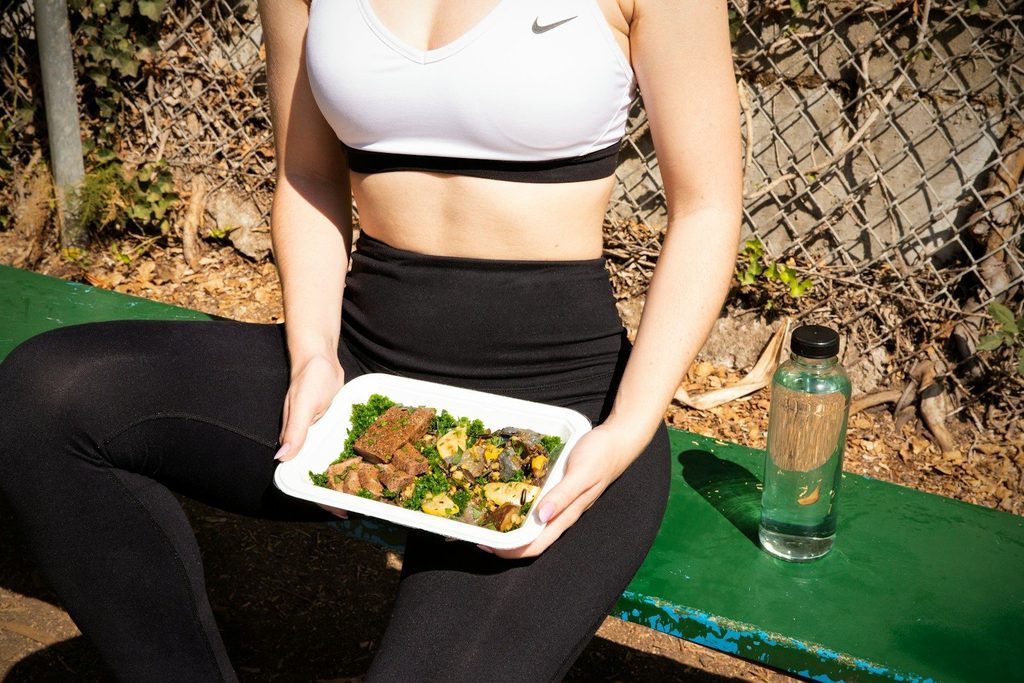
How to Meal Prep for the Entire Week in Just One Hour
Meal preparation is one of the most effective ways to make healthy eating practical during a busy week.
Instead of cooking every meal from scratch, prepare ingredients that can be combined into different dishes.
Here’s a simple one-hour preparation routine.
First 15 minutes: Wash produce, chop vegetables, and prepare ingredients for cooking.
Next 20 minutes: Start brown rice or quinoa, cook a batch of chicken, and prepare beans or another protein source.
Next 15 minutes: Assemble overnight oats, portion snacks, and prepare simple lunch ingredients.
Final 10 minutes: Divide cooked foods into storage containers, label them, and refrigerate or freeze promptly.
For food safety, refrigerate perishable foods within two hours of preparation, or within one hour if exposed to temperatures above 90°F. Use most cooked leftovers within three to four days, or freeze portions intended for later in the week.
This approach allows you to enjoy different meals without spending hours in the kitchen every evening.
How Much Should You Eat on This 7-Day Plan?
One common mistake beginners make is assuming that healthy eating requires eating as little as possible.
In reality, your body needs adequate energy and nutrients to support exercise, concentration, recovery, and daily activities.
There is no single calorie target that works for every American adult.
Your needs depend on factors such as age, body size, activity level, health status, and personal goals.
A practical starting point is to build balanced meals using the USDA MyPlate approach:
-
Fill approximately half your plate with vegetables and fruit.
-
Include a source of lean or plant-based protein.
-
Choose whole grains regularly.
-
Include dairy or a fortified alternative when appropriate.
-
Use moderate amounts of unsaturated fats.
Adjust portions to your hunger, fullness, and individual nutritional needs.
If your goal is weight loss, a sustainable approach generally involves an appropriate calorie deficit rather than skipping meals or following extreme restrictions.
If your goal is strength or muscle development, adequate protein and overall food intake are particularly important.
7 Practical Tips to Stay Consistent With Your Fitness Plan
Even the best workout and meal plan won’t help much if it doesn’t fit your lifestyle.
Use these strategies to make healthy habits easier to maintain.
1. Schedule workouts like appointments
Choose a realistic workout time and add it to your calendar. Treat that time as a commitment to your health.
2. Start with shorter sessions
If 20 minutes feels overwhelming, begin with 10 minutes. Consistency matters more than completing every workout perfectly.
3. Keep healthy snacks available
Fruit, yogurt, nuts, and hummus are convenient options when hunger strikes between meals.
4. Drink water regularly
Keep a reusable water bottle nearby. Your hydration needs will vary with activity, climate, and individual circumstances.
5. Prioritize sleep
Most adults need at least seven hours of sleep per night. Adequate sleep supports recovery, concentration, and overall health.
6. Avoid all-or-nothing thinking
Missing a workout or eating takeout doesn’t mean your week is ruined. Simply return to your routine at the next opportunity.
7. Track progress beyond the scale
Pay attention to improvements in stamina, strength, sleep quality, mood, and your ability to complete everyday activities.
These changes can be meaningful indicators of progress even when body weight remains stable.
Common Mistakes to Avoid
When following a beginner workout and meal plan, avoid trying to change everything at once.
Skipping meals to lose weight faster: This may leave you excessively hungry or under-fueled later in the day.
Exercising too intensely: Starting with demanding workouts can cause unnecessary soreness and make consistency difficult.
Ignoring recovery: Rest and easier activity days allow your body to adapt.
Following overly restrictive diets: Eliminating entire food groups without a medical reason can make balanced eating harder.
Expecting dramatic results in seven days: A week is enough to begin building habits, but meaningful fitness and body-composition changes usually require longer-term consistency.
Focus on building a routine you can repeat for weeks and months.
Frequently Asked Questions About a 7-Day Workout and Meal Plan for Busy Americans
Can I lose weight with this 7-day workout and meal plan?
This plan can support healthy weight management when combined with appropriate portions and consistent activity. However, weight loss depends on your overall energy balance and individual circumstances. Significant changes are not guaranteed in seven days.
Is a 20-minute workout enough for beginners?
Yes, 20 minutes can be a useful starting point, particularly for someone who has been inactive. Gradually increasing weekly activity toward established physical activity recommendations can provide additional benefits.
Can I follow this plan without going to the gym?
Absolutely. The exercises are designed primarily for home use and require little or no equipment. Walking, bodyweight movements, and simple resistance exercises make it accessible.
What if I don’t have time to cook every day?
Batch cooking, frozen vegetables, canned beans, and planned leftovers can reduce daily preparation time. Choose simple meals that use overlapping ingredients.
Is this meal plan suitable for vegetarians?
Many meals can be adapted by replacing chicken, fish, or turkey with tofu, lentils, beans, or other suitable plant proteins. Ensure your substitutions provide adequate nutrition.
Can I repeat this plan every week?
Yes. You can repeat the basic structure while varying exercises, vegetables, fruits, and protein sources. Increase exercise difficulty gradually as your strength and stamina improve.
What is the best time to work out for busy Americans?
The best time is whichever fits your schedule consistently. Morning, lunchtime, and evening workouts can all be beneficial.
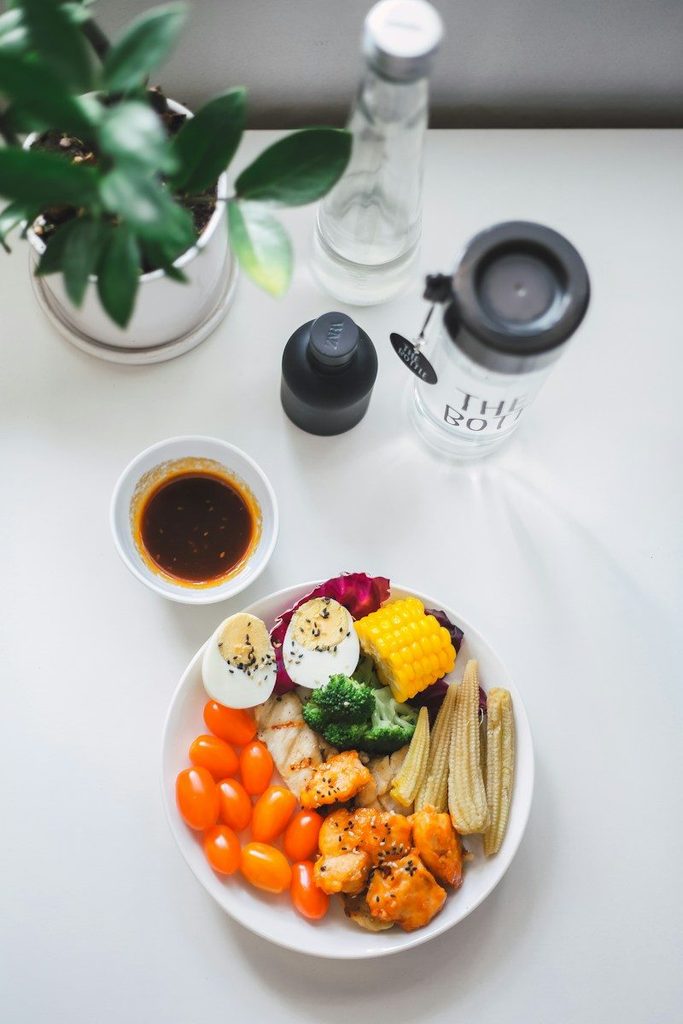
Final Thoughts: Build a Healthier Lifestyle One Day at a Time
Following a 7-day workout and meal plan for busy Americans doesn’t have to be complicated, expensive, or time-consuming.
By combining short home workouts with simple, nutritious meals, you can begin improving your daily habits without sacrificing your work, family responsibilities, or personal time.
Remember that lasting results come from consistency rather than perfection.
Start with manageable workouts, prepare meals ahead of time, prioritize recovery, and make small improvements each week.
Your first seven days are only the beginning.
As your confidence grows, you can gradually increase your activity, explore new healthy recipes, and develop a sustainable routine that supports your long-term health.
Ready to get started? Save this 7-day workout and meal plan, prepare your grocery list, and begin with Monday’s simple full-body workout. Small daily actions can lead to meaningful improvements over time.