
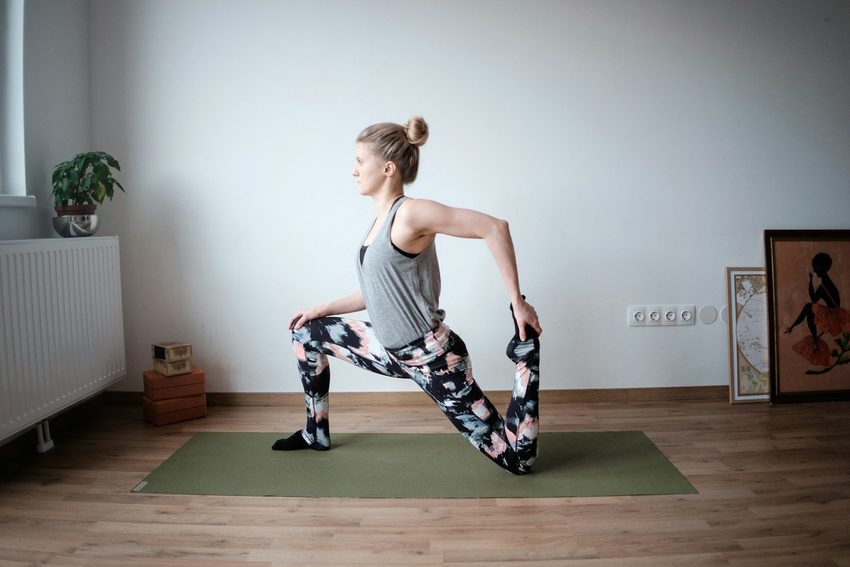
Introduction: Start Your Day With a Simple 15-Minute Morning Mobility Routine
Do you wake up feeling stiff, tired, or uncomfortable after a long night’s sleep? Maybe your back feels tight, your shoulders are difficult to move, or your hips need a few minutes before you can walk comfortably.
If this sounds familiar, a 15-minute morning mobility routine for beginners could be a practical addition to your daily schedule.
You don’t need an expensive gym membership, complicated exercise equipment, or an intense workout to begin improving how your body moves. Sometimes, just 15 minutes of gentle, controlled movement can help you feel more comfortable and prepared for the day ahead.
Morning mobility exercises focus on moving your joints through comfortable ranges of motion while gently activating the muscles that support them.
Unlike intense workouts designed to build endurance or burn calories, mobility exercises emphasize movement quality, coordination, and joint control.
A beginner-friendly morning mobility routine may help you:
-
Reduce the feeling of morning stiffness.
-
Improve flexibility and joint mobility over time.
-
Encourage better posture and body awareness.
-
Prepare your muscles for daily activities.
-
Improve balance and coordination.
-
Establish a consistent morning fitness habit.
-
Feel more energized and ready to start your day.
The best part? You can complete this entire routine at home without specialized equipment.
In this comprehensive guide, you’ll discover a simple 15-minute morning mobility routine, step-by-step exercise instructions, common mistakes to avoid, and practical tips for making mobility training part of your everyday lifestyle.
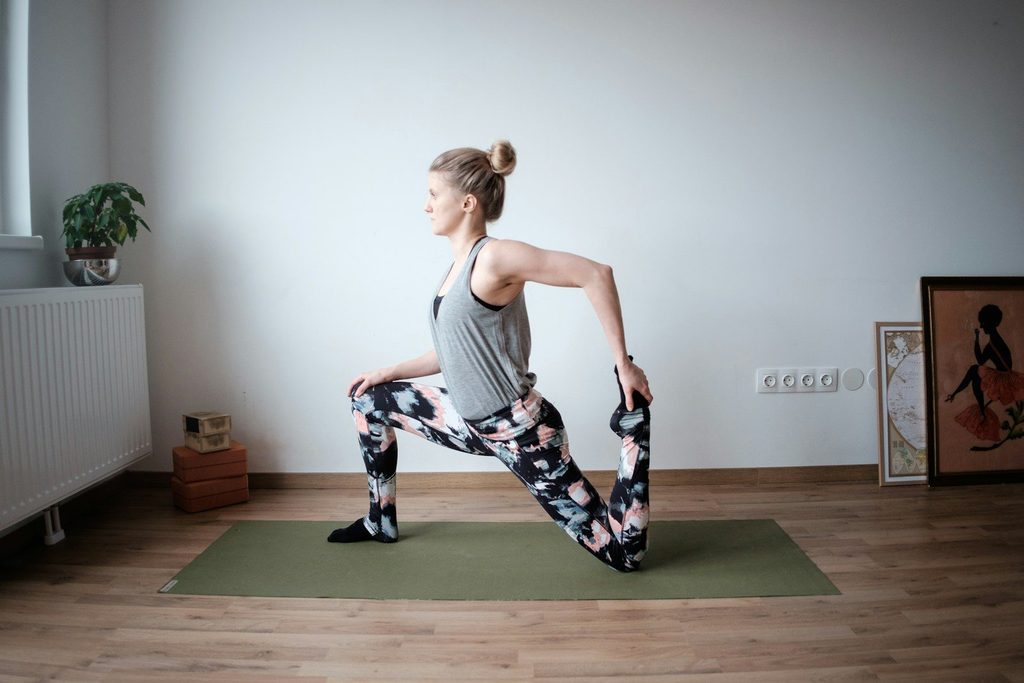
What Is a Morning Mobility Routine?
A morning mobility routine is a short sequence of controlled exercises designed to help your joints and muscles move comfortably after waking up.
Mobility refers to your ability to actively move a joint through its available range of motion.
For example, raising your arms overhead, rotating your shoulders, bending your knees, and turning your upper body all require mobility.
Good mobility supports everyday activities such as walking, reaching, bending, lifting groceries, and getting out of a chair.
Mobility vs. Flexibility: What’s the Difference?
Although mobility and flexibility are closely related, they are not exactly the same.
Flexibility describes how much a muscle or other soft tissue can lengthen, often during a passive stretch.
Mobility involves your ability to actively control movement through a joint’s available range.
For example, being able to pull your knee toward your chest with your hands demonstrates flexibility. Lifting your knee toward your chest without assistance requires active mobility and muscular control.
Both qualities are valuable for maintaining comfortable movement.
A well-designed morning routine can include gentle stretches alongside active mobility exercises to support overall movement quality.
Why Should Beginners Practice Morning Mobility Exercises?
Many adults spend several hours sitting at desks, driving, watching television, or using electronic devices.
Extended periods of limited movement may contribute to feelings of stiffness, particularly around the neck, shoulders, hips, and lower back.
A short morning mobility session provides an opportunity to introduce comfortable movement before the demands of the day begin.
1. Helps Reduce Morning Stiffness
After several hours of sleep, your muscles and joints may feel less comfortable moving immediately.
Gentle mobility exercises can help you gradually transition from resting to normal daily activity.
Movements such as shoulder circles, hip rotations, and cat-cow stretches may help ease temporary stiffness.
2. Supports Joint Range of Motion
Regularly moving your joints through comfortable ranges may help maintain or improve mobility.
This is especially useful for beginners who spend much of their day sitting.
Consistency matters more than forcing yourself into deeper stretches.
3. Encourages Better Posture Awareness
Poor posture isn’t always caused by tight muscles, and there is no single perfect posture everyone must maintain.
However, mobility exercises can improve your awareness of how your shoulders, spine, and hips move.
Combining mobility work with strengthening exercises and regular movement breaks can support comfortable posture throughout the day.
4. Prepares Your Body for Physical Activity
A gentle mobility session can serve as part of a warm-up before walking, strength training, or other exercise.
Controlled movements gradually introduce activity to your muscles and joints.
5. Builds a Sustainable Fitness Habit
One of the biggest challenges beginners face is maintaining a consistent exercise schedule.
A 15-minute routine is easier to fit into a busy morning than a lengthy workout.
Starting small can help you build confidence and establish healthy habits over time.
What You Need Before Starting Your 15-Minute Morning Mobility Routine
You don’t need much equipment to begin.
A comfortable space with enough room to stretch your arms and legs is usually sufficient.
You may want an exercise mat, supportive clothing, a stable chair, and a bottle of water.
Choose a flat, non-slip surface and avoid movements that cause sharp pain, dizziness, or unusual discomfort.
If you have a recent injury, significant joint problems, osteoporosis, balance difficulties, or a medical condition that affects exercise, consult a qualified healthcare professional about appropriate modifications.
Remember that mobility training should feel controlled and comfortable rather than painful.
The Complete 15-Minute Morning Mobility Routine for Beginners
This beginner-friendly routine includes 10 gentle exercises targeting major joints and muscle groups.
Each movement is designed to improve body awareness and encourage comfortable movement.
Your 15-minute workout plan
| # | Exercise | Duration | ||||
| 2 min | ||||||
| 1 min | ||||||
| 2 min | ||||||
| 1 min | ||||||
| 2 min | ||||||
| 1 min | ||||||
| 2 min | ||||||
| 1 min | ||||||
| 1 min | ||||||
| 2 min |
Total workout time

15 minutes
Durations include changing positions and short pauses as needed.
1. Gentle Marching in Place – 2 Minutes
Marching in place is an excellent way to begin your morning mobility routine.
It gently activates your legs, encourages circulation, and allows your body to transition gradually into movement.
How to perform:
-
Stand upright with your feet approximately hip-width apart.
-
Relax your shoulders and keep your arms by your sides.
-
Slowly lift your right knee a comfortable distance.
-
Lower your right foot and lift your left knee.
-
Continue alternating legs at a relaxed pace.
-
Allow your arms to swing naturally if comfortable.
Beginner tip: Hold a stable chair or countertop if you need additional balance support.
Benefits: Gentle marching can help warm up your lower body, improve coordination, and prepare your hips and knees for the exercises ahead.
2. Neck Mobility Movements – 1 Minute
Neck stiffness is common among people who spend long periods using computers or smartphones.
Gentle neck movements can help maintain comfortable movement without placing unnecessary stress on the cervical spine.
How to perform:
-
Stand or sit upright.
-
Slowly turn your head toward your right shoulder.
-
Return to the center.
-
Turn your head toward your left shoulder.
-
Repeat several times.
-
Gently tilt your right ear toward your right shoulder.
-
Return to the center and repeat on the left side.
Avoid pulling your head with your hands or forcing your neck beyond its comfortable range.
Beginner tip: Keep your movements slow and avoid large, forceful neck circles.
Benefits: These movements can encourage neck mobility and help relieve the sensation of mild stiffness.
3. Shoulder Rolls and Arm Circles – 2 Minutes
Your shoulders are involved in everyday movements such as reaching, lifting, dressing, and carrying objects.
Shoulder mobility exercises can help you move your arms more comfortably.
How to perform:
-
Stand tall with your arms relaxed.
-
Slowly lift your shoulders toward your ears.
-
Roll them backward and downward.
-
Continue for approximately 30 seconds.
-
Reverse the direction for another 30 seconds.
-
Extend your arms slightly out to the sides.
-
Make small, controlled arm circles.
-
Gradually increase the circle size if comfortable.
Use the remaining time to alternate forward and backward arm circles.
Beginner tip: Keep your arms below shoulder height if overhead or extended movements feel uncomfortable.
Benefits: Shoulder rolls and arm circles help maintain shoulder movement and prepare your upper body for daily tasks.
4. Standing Spinal Rotations – 1 Minute
Your spine needs comfortable movement to support daily activities such as turning, reaching, and walking.
Gentle standing rotations introduce controlled movement through your upper body.
How to perform:
-
Stand with your feet hip-width apart.
-
Keep your knees slightly bent.
-
Place your hands across your chest.
-
Slowly rotate your upper body to the right.
-
Return to the center.
-
Rotate gently to the left.
-
Continue alternating sides.
Keep your hips relatively stable and avoid twisting forcefully.
Beginner tip: Use a small range of motion and gradually increase it only when comfortable.
Benefits: Gentle rotations can support trunk mobility, coordination, and awareness of spinal movement.
5. Cat-Cow Stretch – 2 Minutes
The cat-cow stretch is a popular mobility exercise that encourages controlled movement through the spine.
It is especially useful for introducing gentle spinal flexion and extension.
How to perform:
-
Begin on your hands and knees on an exercise mat.
-
Position your wrists beneath your shoulders.
-
Keep your knees approximately beneath your hips.
-
Slowly round your back upward while gently lowering your head.
-
Return toward a neutral position.
-
Gradually lift your chest and allow a comfortable arch through your back.
-
Continue alternating between the two positions.
Move slowly and coordinate your breathing with each repetition.
Beginner tip: If kneeling is uncomfortable, perform a seated version with your hands resting on your thighs.
Benefits: Cat-cow movements can help improve spinal movement awareness and gently mobilize the back.
6. Hip Circles – 1 Minute
Your hips play an important role in walking, climbing stairs, squatting, and maintaining balance.
Gentle hip circles encourage movement around the hip joints.
How to perform:
-
Stand with your feet slightly wider than hip-width apart.
-
Place your hands on your hips.
-
Keep your knees relaxed.
-
Slowly move your hips in a small circular motion.
-
Continue clockwise for approximately 30 seconds.
-
Reverse direction for another 30 seconds.
Avoid exaggerating the movement or arching your lower back excessively.
Beginner tip: Hold a sturdy chair for balance if necessary.
Benefits: Hip circles can encourage hip movement, improve coordination, and reduce the feeling of stiffness after sitting.
7. Standing Hip Flexor Stretch – 2 Minutes
The hip flexors are muscles at the front of your hips that help lift your legs.
Prolonged sitting can contribute to a sensation of tightness in this area.
A gentle standing hip flexor stretch may help improve comfort.
How to perform:
-
Stand beside a sturdy chair for support.
-
Step your right foot backward into a short staggered stance.
-
Keep both feet pointing forward.
-
Slightly bend your front knee.
-
Gently tuck your pelvis under without rounding your upper back.
-
Shift forward slightly until you feel a mild stretch at the front of your right hip.
-
Hold for 20–30 seconds while breathing normally.
-
Release and repeat on the opposite side.
Use the remaining time for another comfortable stretch on each side.
Beginner tip: Keep your stance short and avoid forcing a deep lunge.
Benefits: This exercise gently stretches the front of the hips and may support comfortable hip extension.
8. Knee Mobility and Mini Squats – 1 Minute
Your knees support important everyday activities, including walking, standing, and climbing stairs.
Gentle mini squats allow the knees and hips to move together while activating the lower-body muscles.
How to perform:
-
Stand with your feet approximately shoulder-width apart.
-
Hold a stable chair or countertop if needed.
-
Bend your knees slightly while moving your hips backward.
-
Lower only a few inches.
-
Press through your feet to return to standing.
-
Repeat slowly for 8–12 comfortable repetitions.
Keep your knees moving generally in line with your toes.
Beginner tip: Reduce the depth if you experience discomfort.
Benefits: Mini squats encourage coordinated movement through the hips, knees, and ankles while gently activating the leg muscles.
9. Ankle Circles and Heel Raises – 1 Minute
Your ankles are essential for walking, balancing, and navigating uneven surfaces.
Limited ankle mobility may affect how comfortably you perform everyday movements.
How to perform:
-
Stand near a stable chair.
-
Lift your right foot slightly off the floor.
-
Slowly rotate your ankle in one direction.
-
Reverse the direction.
-
Repeat with your left ankle.
-
Place both feet on the floor.
-
Slowly raise your heels.
-
Lower them with control.
Beginner tip: Perform ankle circles while seated if standing on one leg is difficult.
Benefits: These exercises encourage ankle movement and activate the calf muscles.
10. Standing Full-Body Reach – 2 Minutes
Finish your 15-minute morning mobility routine with a gentle full-body movement.
This exercise combines comfortable reaching, breathing, and postural awareness.
How to perform:
-
Stand with your feet hip-width apart.
-
Relax your shoulders.
-
Slowly raise both arms overhead as you inhale.
-
Reach upward without forcing your shoulders.
-
Lower your arms while exhaling.
-
Repeat several times.
-
If comfortable, add a small side reach to each side.
-
Finish with relaxed breathing.
Beginner tip: Raise your arms only as high as feels comfortable.
Benefits: Full-body reaching encourages upper-body mobility, body awareness, and a calm transition into your morning activities.
How to Make Your Morning Mobility Routine More Effective
Completing the exercises is important, but your approach can make a difference.
Here are several practical ways to improve your experience.
Focus on Slow, Controlled Movements
Mobility exercises should not feel rushed.
Moving slowly gives you time to notice how your joints respond and helps you maintain control.
Avoid bouncing or forcing your body into uncomfortable positions.
Breathe Naturally Throughout the Routine
Many beginners unintentionally hold their breath while stretching.
Try to maintain relaxed, steady breathing.
Exhale during movements that require slightly more effort, and avoid straining.
Stay Within a Comfortable Range of Motion
You don’t need to match someone else’s flexibility.
Your range of motion may differ depending on your age, activity level, joint structure, and exercise experience.
Aim for gentle movement without sharp pain.
Practice Consistently
Mobility improvements generally develop through repeated practice rather than a single session.
Try completing your routine several mornings each week.
You can gradually work toward daily practice if your body tolerates it comfortably.
A Simple 7-Day Morning Mobility Schedule for Beginners
If you’re new to mobility training, a weekly schedule can make it easier to establish a routine.
| Day | Morning activity | Duration |
|---|---|---|
| Monday | Complete morning mobility routine | 15 minutes |
| Tuesday | Gentle mobility and relaxed breathing | 15 minutes |
| Wednesday | Complete morning mobility routine | 15 minutes |
| Thursday | Light stretching or comfortable walking | 10–15 minutes |
| Friday | Complete morning mobility routine | 15 minutes |
| Saturday | Gentle mobility with extra attention to stiff areas | 15 minutes |
| Sunday | Rest or optional gentle movement | As comfortable |
This schedule provides structure while allowing flexibility.
If you’re particularly stiff or tired, reduce the range of motion or shorten the session.
The goal is to develop a sustainable habit, not to complete every exercise perfectly.
Common Morning Mobility Mistakes Beginners Should Avoid
Even gentle exercises can become uncomfortable when performed incorrectly.
Understanding common mistakes can help you practice more safely.
Mistake 1: Stretching Too Aggressively
Some beginners believe deeper stretching automatically produces better results.
However, forcing a joint beyond its comfortable range may cause irritation or injury.
Instead, use gentle movements and gradually explore your available range of motion.
Mistake 2: Moving Too Quickly
Fast, uncontrolled movements can make it difficult to maintain proper coordination.
Slow down and prioritize movement quality.
Mistake 3: Ignoring Pain
Mild muscular tension during stretching can be normal, but sharp, pinching, or worsening pain is not something you should push through.
Stop or modify any exercise that causes pain.
Mistake 4: Expecting Immediate Flexibility Improvements
Mobility changes often require consistent practice over time.
Although you may feel more comfortable after a session, lasting improvements can take weeks or longer.
Mistake 5: Replacing All Other Exercise With Mobility Training
Mobility exercises are valuable, but they do not replace cardiovascular activity or strength training.
For general health, adults are commonly advised to aim for at least 150 minutes of moderate-intensity aerobic activity weekly and muscle-strengthening activities on at least two days.
Your morning mobility routine can complement these activities.
Morning Mobility Routine vs. Morning Stretching: Which Is Better?
Both mobility exercises and stretching can support comfortable movement.
The best option depends on your goals.
| Morning mobility | Morning stretching |
|---|---|
| Emphasizes active joint movement | Often emphasizes holding a stretch |
| Develops movement control | Focuses on muscle and tissue extensibility |
| Commonly includes dynamic exercises | Commonly includes static positions |
| Can prepare the body for activity | Can support flexibility development |
| Uses controlled movement patterns | Uses comfortable sustained stretches |
For beginners, combining gentle mobility exercises with comfortable stretches is often a practical approach.
For example, you might begin with shoulder circles and hip rotations before finishing with a gentle hip flexor stretch.
This combination helps you practice active movement while also addressing areas that feel tight.
Can a 15-Minute Morning Mobility Routine Help With Weight Loss?
A 15-minute morning mobility routine can contribute to an active lifestyle, but it is not typically a major calorie-burning workout.
Mobility exercises generally involve relatively low levels of physical exertion.
If your primary goal is weight management, consider combining mobility training with regular walking, strength exercises, and balanced eating habits.
For example, you could complete your morning mobility routine before a 20-minute walk.
The mobility session may help you feel more prepared to move, while the walk provides additional aerobic activity.
Sustainable weight management depends on several factors, including overall physical activity, nutrition, sleep, and individual health circumstances.
Is This Morning Mobility Routine Suitable for Adults Over 40, 50, or 60?
Yes, many of these exercises can be appropriate for adults across different age groups when adjusted to individual abilities.
Mobility training may be particularly useful for older adults who want to maintain comfortable movement during daily activities.
However, age alone does not determine which exercises are safe or appropriate.
Your balance, joint health, strength, and medical history are more important considerations.
Beginners over 50 or 60 may find it helpful to perform standing exercises near a sturdy chair.
Seated alternatives can also be useful for individuals who have difficulty kneeling or standing for extended periods.
If you have osteoporosis, recent surgery, significant arthritis symptoms, or other health concerns, ask a healthcare professional which movements are suitable for you.
How Long Does It Take to Improve Mobility?
There is no universal timeline for improving mobility.
Some people notice less stiffness after a few sessions, while measurable improvements in joint range of motion may require several weeks of consistent practice.
Your progress depends on factors such as:
-
Your starting mobility level.
-
How frequently you practice.
-
The exercises you choose.
-
Your overall physical activity.
-
Existing injuries or joint conditions.
-
Your consistency and movement technique.
Rather than focusing only on how far you can stretch, pay attention to practical improvements.
For example, you may notice that reaching overhead, turning your upper body, or getting out of a chair feels more comfortable.
These everyday changes can be meaningful signs of progress.
Frequently Asked Questions About a 15-Minute Morning Mobility Routine for Beginners
1. Is 15 minutes enough for morning mobility exercises?
Yes. Fifteen minutes can be enough to complete a useful full-body mobility session.
The routine should emphasize comfortable movement and consistency rather than exercise intensity.
2. Should I do mobility exercises immediately after waking up?
You can practice gentle mobility exercises after waking, but you don’t need to start immediately.
Some people prefer to drink water, use the bathroom, or walk around briefly before beginning.
Choose a time when you feel alert and comfortable.
3. Can beginners do morning mobility exercises every day?
Many beginners can perform gentle mobility exercises daily, provided the movements remain comfortable.
However, you should reduce or modify exercises if they cause pain or unusual soreness.
4. Do I need a yoga mat for morning mobility exercises?
No. Many morning mobility exercises can be performed while standing or sitting.
A yoga mat may make floor exercises more comfortable, but it is not essential.
5. Can morning mobility exercises help with lower back stiffness?
Gentle movements may help some people manage temporary, nonspecific lower back stiffness.
However, persistent or worsening back pain should be assessed by a qualified healthcare professional.
Seek prompt medical attention for back pain accompanied by new bladder or bowel problems, significant weakness, or numbness around the groin.
6. Is morning mobility better than evening mobility?
Neither time is universally better.
Morning mobility may help you feel prepared for daily activities, while evening mobility can provide a relaxing movement break.
The best time is the one you can follow consistently.
7. Can I do a morning mobility routine without equipment?
Absolutely. Most beginner mobility exercises require only enough space to move comfortably.
A sturdy chair can provide optional balance support.
8. Should I eat breakfast before morning mobility exercises?
Most healthy adults can perform a gentle 15-minute mobility routine before breakfast if they feel comfortable doing so.
However, individuals with diabetes, medication-related blood sugar concerns, or other medical needs may require a different approach.
9. Can mobility exercises improve posture?
Mobility exercises may improve movement awareness and help address certain movement restrictions.
However, comfortable posture also depends on strength, endurance, work habits, and frequently changing positions.
10. What should I do if an exercise feels uncomfortable?
Reduce the range of motion, slow down, or choose a supported alternative.
Stop if you experience pain, dizziness, or other concerning symptoms.
Never force yourself to complete an exercise simply because it appears in a workout plan.
Final Thoughts: Build a Healthier Morning With Just 15 Minutes of Movement
A 15-minute morning mobility routine for beginners is a simple, accessible way to introduce regular movement into your daily life.
You don’t need complicated equipment, advanced fitness experience, or a lengthy workout schedule to get started.
By practicing gentle exercises such as shoulder rolls, spinal rotations, cat-cow stretches, hip circles, mini squats, and ankle movements, you can work toward maintaining comfortable joint mobility and improving movement awareness.
The most important factor is consistency.
Start with movements that feel manageable, listen to your body, and gradually develop confidence as your routine becomes familiar.
Remember that mobility training works best as part of a balanced lifestyle that includes regular physical activity, strength training, nutritious meals, adequate sleep, and appropriate recovery.
Your next step: Try this 15-minute routine tomorrow morning and follow the seven-day schedule for one week. Pay attention to how your shoulders, back, hips, and ankles feel before and after each session.
Small, consistent movement habits can make a meaningful difference in how comfortably you navigate everyday life.