
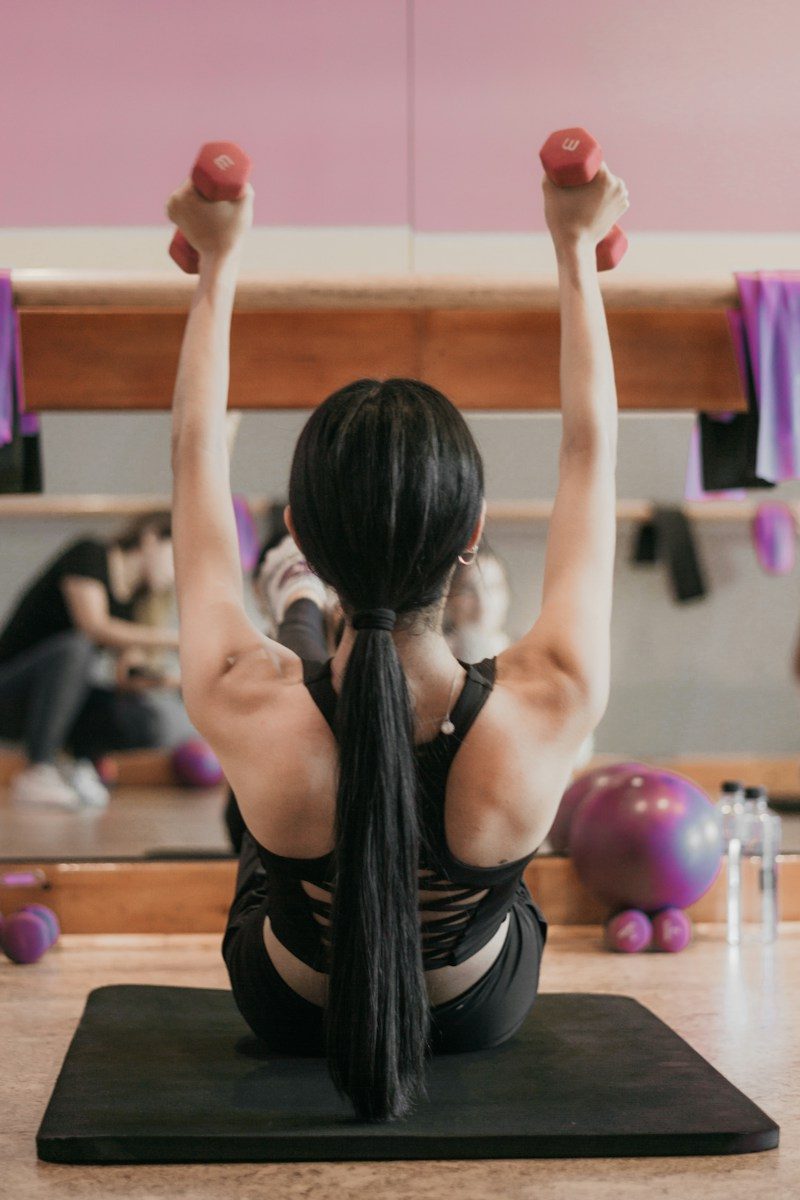
7-Day Beginner Workout Plan for Weight Loss: A Simple Guide to Getting Started
Losing weight doesn’t have to mean spending hours in the gym, following extreme diets, or pushing your body through exhausting workouts. If you’re just starting your fitness journey, the best approach is to build healthy habits, stay consistent, and choose exercises that match your current fitness level.
A 7-Day Beginner Workout Plan for Weight Loss is an excellent way to introduce your body to regular physical activity, improve your fitness, burn calories, and develop a sustainable exercise routine.
Whether you want to lose belly fat, slim down, improve your stamina, or simply feel healthier, having a structured workout plan can make your journey easier. Instead of wondering what exercise to do every day, you will have a clear schedule to follow.
The good news? You don’t need expensive gym equipment or a gym membership to get started. Many beginner-friendly exercises can be performed at home using your body weight.
In this guide, you’ll discover a complete seven-day workout routine, including cardio exercises, strength training, active recovery, and rest. You’ll also learn how to combine exercise with healthy eating habits to support your weight-loss goals.
Let’s get started!
Why Follow a 7-Day Beginner Workout Plan for Weight Loss?
Starting a new fitness routine without a plan can quickly become overwhelming. You may exercise too much on the first day, feel exhausted, and eventually lose motivation.
A structured seven-day workout plan helps you avoid this problem by balancing exercise and recovery.
Here are some reasons why beginners should follow a weekly workout schedule.
1. It Helps You Build Consistency
Consistency is one of the most important factors in achieving long-term weight-loss results.
When you know exactly what exercise to perform each day, you’re more likely to stick with your routine. A weekly plan also helps you turn physical activity into a regular habit.
2. It Supports Calorie Burning
Physical activity helps your body use energy. Activities such as walking, jogging, cycling, dancing, and strength training can increase the number of calories you burn.
When combined with healthy eating habits, regular exercise can help create the calorie deficit needed for weight loss.
3. It Improves Strength and Endurance
A good beginner workout plan should include more than cardio.
Strength exercises help build and maintain muscle, while cardiovascular activities improve heart and lung fitness. Combining both gives you a more balanced fitness routine.
4. It Reduces Workout Confusion
Many beginners struggle because they don’t know which exercises to perform or how often to exercise.
A seven-day workout schedule removes the guesswork and provides a clear starting point.
5. It Encourages Healthy Lifestyle Changes
Exercise can encourage other positive habits, including better sleep, improved energy levels, healthier food choices, and greater confidence.
Remember that weight loss is a gradual process. The goal of your first week should be to establish a routine rather than achieve dramatic results.
Before You Start: What Beginners Need to Know
Before following this 7-day beginner workout plan for weight loss, keep these important points in mind.
-
- Start slowly: Choose exercises that feel manageable and increase intensity gradually.
-
- Warm up: Spend five minutes preparing your muscles and joints before exercising.
-
- Stay hydrated: Drink water throughout the day, especially around your workouts.
-
- Focus on proper form: Performing exercises correctly is more important than completing many repetitions.
-
- Allow recovery: Your muscles need time to recover after exercise.
-
- Wear comfortable clothing: Choose supportive footwear and clothes that allow you to move freely.
-
- Listen to your body: Stop if you experience sharp pain, dizziness, or unusual shortness of breath.
If you have a chronic medical condition, significant joint problems, or have been inactive for a long time, consult a healthcare professional before beginning a new exercise program.
Your Complete 7-Day Beginner Workout Plan for Weight Loss
This workout schedule is designed for beginners who want to exercise at home or outdoors without complicated equipment.
Each workout takes approximately 20–35 minutes, depending on your fitness level and rest periods.
You can adjust the duration and intensity to suit your abilities.
Day 1: Full-Body Beginner Cardio Workout
Goal: Get your body moving and introduce cardiovascular exercise.
The first day focuses on simple movements that increase your heart rate and help you become comfortable with exercise.
Start with a five-minute warm-up consisting of marching in place, shoulder rolls, gentle arm swings, and easy walking.
Workout routine:
| Exercise | Duration |
|---|---|
| Marching in place | 2 minutes |
| Jumping jacks or step jacks | 30 seconds |
| Bodyweight squats | 10 repetitions |
| Standing knee raises | 30 seconds |
| Wall push-ups | 10 repetitions |
| Walking in place | 2 minutes |
Complete the routine once or twice, depending on your fitness level. Rest for 30–60 seconds between exercises when needed.
Why this workout works:
Cardio exercises increase your heart rate and help improve cardiovascular endurance. Squats and wall push-ups also introduce basic strength movements.
Beginner tip: If jumping jacks feel too difficult, perform step jacks by stepping one foot out at a time instead of jumping.
Finish with gentle stretching.
Day 2: Lower-Body Strength Workout
Goal: Strengthen your legs and glutes while building muscular endurance.
Your lower body contains some of the largest muscle groups in your body. Strengthening these muscles can improve everyday movements such as walking, climbing stairs, and standing up.
Workout routine:
| Exercise | Repetitions |
|---|---|
| Bodyweight squats | 10–12 |
| Glute bridges | 12 |
| Standing calf raises | 15 |
| Reverse lunges | 8 per leg |
| Standing side leg raises | 10 per leg |
| Wall sit | 15–20 seconds |
Complete one or two rounds.
Rest for 30–60 seconds between exercises.
Why this workout works:
These movements target your quadriceps, hamstrings, glutes, and calves. Strength training supports muscle development and helps maintain lean muscle during weight loss.
Beginner tip: Hold a stable chair or countertop when performing reverse lunges if you need extra balance. You can also replace lunges with supported sit-to-stand exercises.
Day 3: Walking and Low-Impact Cardio
Goal: Increase daily movement without putting too much stress on your body.
Walking is one of the simplest and most accessible exercises for beginners.
You don’t need special equipment, complicated instructions, or a gym membership.
Workout routine:
-
- Walk at an easy pace for five minutes.
-
- Increase your speed slightly for 10 minutes.
-
- Continue with a comfortable walking pace for five minutes.
-
- Finish with five minutes of slow walking.
Total workout time: approximately 25 minutes.
If you cannot walk outdoors, try indoor walking by marching in place, walking around your home, or following a low-impact walking workout.
Why this workout works:
Walking supports cardiovascular health, increases daily energy expenditure, and helps build exercise consistency.
It also provides a lighter training day between strength-focused sessions.
Beginner tip: Start with a comfortable pace. You should be able to speak in short sentences while walking.
Day 4: Upper-Body and Core Workout
Goal: Improve upper-body strength and develop core stability.
Your upper body and core muscles support posture, balance, and everyday activities.
You don’t need dumbbells to begin strengthening these areas.
Workout routine:
| Exercise | Repetitions |
|---|---|
| Wall push-ups | 10–12 |
| Arm circles | 30 seconds |
| Standing shoulder taps | 10 per side |
| Bird dogs | 8 per side |
| Standing knee-to-elbow crunches | 10 per side |
| Modified plank | 15–20 seconds |
Complete one or two rounds.
Rest whenever necessary.
Why this workout works:
Wall push-ups strengthen your chest, shoulders, and triceps. Bird dogs and modified planks help develop core stability.
A stronger core can improve posture and make everyday movement easier.
Beginner tip: If a floor plank is too difficult, perform a standing plank against a wall or countertop.
Day 5: Full-Body Fat-Burning Workout
Goal: Combine simple cardio and strength movements.
By the fifth day, you may feel more comfortable with the exercises introduced earlier in the week.
Today’s workout combines full-body movements to challenge different muscle groups.
Workout routine:
| Exercise | Duration/Repetitions |
|---|---|
| Marching in place | 60 seconds |
| Bodyweight squats | 12 |
| Step jacks | 30 seconds |
| Wall push-ups | 10 |
| Standing knee raises | 30 seconds |
| Glute bridges | 12 |
| Slow mountain climbers against a wall | 20 seconds |
Complete one or two rounds.
Rest for 30–60 seconds between movements.
Why this workout works:
Combining cardio and strength exercises allows you to work on cardiovascular fitness and muscular endurance in one session.
It also keeps your routine varied and engaging.
Beginner tip: Don’t rush through the exercises. Focus on controlled movements and good technique.
Day 6: Active Recovery and Gentle Movement
Goal: Help your body recover while remaining physically active.
Recovery is an important part of any successful fitness program.
You don’t need to perform intense workouts every day to lose weight.
Day six is designed to give your muscles a break while maintaining gentle movement.
Recovery routine:
| Activity | Duration |
|---|---|
| Easy walking | 10 minutes |
| Gentle stretching | 5 minutes |
| Standing side stretches | 30 seconds |
| Shoulder stretches | 30 seconds |
| Hamstring stretches | 30 seconds |
| Deep breathing | 2 minutes |
You can also try gentle yoga, relaxed cycling, or mobility exercises.
Why this workout works:
Active recovery encourages movement without adding another demanding workout to your schedule.
It can also help you manage stiffness and prepare for your next training session.
Beginner tip: If you’re particularly tired or sore, take a complete rest day instead.
Day 7: Full-Body Beginner Workout and Weekly Review
Goal: Finish your first week with a balanced workout and assess your progress.
Congratulations! You’ve reached the final day of your beginner workout plan.
Today, repeat some of the movements you’ve practiced throughout the week.
Workout routine:
| Exercise | Duration/Repetitions |
|---|---|
| Marching in place | 2 minutes |
| Bodyweight squats | 12 |
| Wall push-ups | 10 |
| Glute bridges | 12 |
| Standing knee raises | 30 seconds |
| Bird dogs | 8 per side |
| Easy walking | 5 minutes |
Complete one or two rounds, depending on your energy level.
Finish with five minutes of gentle stretching.
Why this workout works:
Repeating familiar exercises helps you develop confidence and recognize improvements in your strength, coordination, and endurance.
After completing the workout, reflect on your first week.
Ask yourself:
-
- Which exercises felt easiest?
-
- Which exercises were most challenging?
-
- Did your energy levels improve?
-
- Were you able to complete most of your planned workouts?
-
- What would you like to improve next week?
Remember that progress isn’t measured only by the number on the scale.
7-Day Beginner Workout Plan at a Glance
Here is a quick overview of your weekly workout schedule.
| Day | Workout | Duration |
|---|---|---|
| Day 1 | Full-body cardio | 20–30 min |
| Day 2 | Lower-body strength | 20–30 min |
| Day 3 | Walking and cardio | 25 min |
| Day 4 | Upper body and core | 20–30 min |
| Day 5 | Full-body workout | 20–35 min |
| Day 6 | Active recovery | 15–25 min |
| Day 7 | Full-body beginner workout | 20–30 min |
You can repeat this schedule in the following weeks while gradually increasing the duration, repetitions, or difficulty of exercises as your fitness improves.
How to Lose Weight Faster With Your Beginner Workout Plan
Exercise is an important part of weight management, but your daily habits also influence your results.
Here are some practical ways to support your weight-loss journey.
1. Maintain a Healthy Calorie Deficit
Weight loss generally occurs when you consistently consume fewer calories than your body uses.
This is known as a calorie deficit.
You don’t need to starve yourself or skip meals to achieve it. Instead, focus on nutritious foods, appropriate portions, and regular eating habits.
Choose foods that keep you satisfied while providing essential nutrients.
2. Eat More Protein
Protein helps maintain muscle and supports recovery after exercise.
Include protein-rich foods in your meals, such as:
-
- Eggs
-
- Fish
-
- Chicken
-
- Beans
-
- Lentils
-
- Greek yogurt
-
- Milk
-
- Soybeans
If you’re following a vegetarian diet, beans, lentils, tofu, and other plant-based protein sources can help meet your needs.
3. Include More Vegetables and Fruits
Vegetables and fruits provide fiber, vitamins, minerals, and water.
They can also help make meals more filling.
Examples include spinach, carrots, cabbage, cucumber, tomatoes, oranges, apples, bananas, and watermelon.
Try including vegetables or fruits in your daily meals and snacks.
4. Drink Enough Water
Hydration is essential for normal body function and exercise performance.
Drink water regularly throughout the day and increase your intake when you sweat more.
Water is also a useful alternative to sugary drinks.
5. Get Enough Sleep
Sleep plays an important role in appetite regulation, recovery, and overall health.
Most adults should aim for approximately seven to nine hours of sleep each night.
Poor sleep can make it harder to manage hunger, maintain energy, and stay consistent with your workouts.
6. Increase Your Daily Movement
Your workout is only one part of your daily activity.
Look for opportunities to move more throughout the day.
For example:
-
- Take short walks during breaks.
-
- Use the stairs when practical.
-
- Walk while talking on the phone.
-
- Do light household chores.
-
- Stand up and stretch regularly.
Small changes can add up over time.
What Should Beginners Eat During a 7-Day Weight-Loss Workout Plan?
You don’t need an expensive meal plan or special weight-loss foods to support your workouts.
A balanced diet that includes protein, carbohydrates, healthy fats, fruits, and vegetables is a practical starting point.
Here is an example of a simple daily meal plan.
| Meal | Suggested Foods |
|---|---|
| Breakfast | Oatmeal, boiled eggs, and fruit |
| Mid-morning snack | An apple or plain yogurt |
| Lunch | Rice, grilled fish or chicken, and vegetables |
| Afternoon snack | A banana or a handful of nuts |
| Dinner | Beans, sweet potatoes, and vegetables |
You can adjust these meals based on your preferences, budget, culture, and nutritional requirements.
For example, if you enjoy Nigerian foods, you can include:
-
- Breakfast: Oats with milk and boiled eggs.
-
- Lunch: Jollof rice with grilled fish and vegetables.
-
- Dinner: Beans and plantain with a vegetable side.
-
- Snacks: Oranges, bananas, groundnuts, or plain yogurt.
The key is to pay attention to portions and choose a variety of nutrient-rich foods.
You don’t have to eliminate rice, bread, potatoes, or other carbohydrates to lose weight.
Common Mistakes Beginners Should Avoid When Exercising for Weight Loss
Starting a fitness routine is exciting, but some common mistakes can make your journey more difficult.
1. Exercising Too Much Too Soon
One of the biggest mistakes beginners make is trying to do too much during the first few days.
Exercising intensely without allowing your body to adapt can lead to excessive soreness, fatigue, and injuries.
Start with manageable sessions and increase your workload gradually.
2. Skipping Strength Training
Some beginners focus entirely on cardio because they believe it is the only exercise that supports weight loss.
However, strength training is also important.
It helps develop and maintain muscle, supports physical function, and complements cardiovascular exercise.
3. Expecting Immediate Results
You may not notice significant changes in your weight or appearance after seven days.
That is completely normal.
Weight can fluctuate because of hydration, digestion, sodium intake, hormones, and other factors.
Focus on consistent habits rather than expecting dramatic changes in one week.
4. Ignoring Recovery
Rest is not a sign of laziness.
Your body needs time to adapt to exercise.
Make sure your schedule includes easier days and sufficient sleep.
5. Following Extreme Diets
Severely restricting calories or eliminating entire food groups can make it harder to meet your nutritional needs.
Avoid crash diets and focus on balanced eating habits that you can maintain.

How Much Weight Can You Lose in 7 Days?
This is one of the most common questions beginners ask.
The truth is that weight loss varies from person to person.
Your starting weight, eating habits, physical activity, sleep, age, and individual health factors can all influence your results.
Some people may notice a small change on the scale during their first week, while others may see little or no change.
A commonly recommended gradual weight-loss rate for many adults is approximately 0.5–1 kilogram per week, although individual circumstances differ.
It’s also important to understand that early changes on the scale may reflect water-weight fluctuations rather than body-fat loss.
Instead of focusing exclusively on weight, pay attention to other improvements, such as:
-
- Better stamina.
-
- Improved strength.
-
- More comfortable movement.
-
- Better sleep.
-
- Increased daily energy.
-
- Greater workout consistency.
These are meaningful signs that your fitness journey is moving in a positive direction.
How to Continue Your Workout Plan After Seven Days
Completing your first week is an excellent achievement, but lasting results come from maintaining healthy habits over time.
Once you’ve completed the seven-day beginner workout plan, you can repeat the schedule for another week.
As your fitness improves, consider these gradual adjustments:
Week 2: Increase your walking time by five minutes or add a few repetitions to selected exercises.
Week 3: Complete an additional round of some strength exercises if you can maintain proper form.
Week 4: Introduce slightly more challenging variations, such as incline push-ups or longer walking intervals.
Don’t increase everything at once.
Progress should be gradual and manageable. If you experience persistent soreness or unusual fatigue, reduce your training intensity and allow more recovery time.
You can also track your progress using a fitness journal.
Record your workout duration, exercises completed, energy levels, and how you feel after each session.
This helps you recognize improvements that may not be visible on the scale.
Frequently Asked Questions About the 7-Day Beginner Workout Plan for Weight Loss
1. Can I lose weight with a 7-day beginner workout plan?
Yes. A seven-day workout plan can help you establish an exercise routine, increase physical activity, and support weight loss.
However, meaningful and sustainable weight loss usually requires consistent exercise and balanced eating over several weeks or months.
2. Can I do this beginner workout plan at home?
Absolutely!
Most exercises in this plan use body weight and require very little equipment.
You can perform them in your living room, bedroom, backyard, or another comfortable space.
A supportive pair of shoes, a workout mat, and a stable chair can be helpful.
3. How many minutes should a beginner exercise daily to lose weight?
A beginner can start with 20–30 minutes of manageable physical activity per day, adjusting the duration based on fitness and recovery.
Over time, adults are generally encouraged to work toward at least 150 minutes of moderate-intensity aerobic activity each week, alongside muscle-strengthening activities on two or more days.
You can build up to this gradually.
4. Is walking enough to lose weight?
Walking can support weight loss because it increases daily energy expenditure.
However, your results will also depend on your eating habits and overall activity levels.
Combining walking with strength training and balanced nutrition can provide a more complete fitness routine.
5. Should I work out every day as a beginner?
You can be physically active daily, but you don’t need to perform intense workouts every day.
Alternate more demanding exercise sessions with walking, mobility exercises, and rest days.
Recovery is essential for maintaining a sustainable routine.
6. What is the best time to exercise for weight loss?
The best time to exercise is the time that fits your schedule and allows you to remain consistent.
Some people prefer morning workouts, while others feel more comfortable exercising in the afternoon or evening.
The most important factor is regular physical activity rather than a particular time of day.
7. Do I need gym equipment for this workout plan?
No.
You can complete this seven-day beginner workout plan using bodyweight exercises.
As you become stronger, you may choose to add resistance bands or light dumbbells, but they are not necessary when starting.
8. Can beginners do this workout plan if they are overweight?
Many beginners can adapt these exercises to their fitness levels and physical abilities.
Start with low-impact movements, use support when necessary, and avoid exercises that cause pain.
If you have mobility limitations or underlying health concerns, seek professional guidance before starting.
9. Can I target belly fat with this workout plan?
You cannot choose exactly where your body loses fat.
Exercises such as planks, bird dogs, and standing core movements strengthen abdominal muscles, but they do not directly burn fat from the stomach.
Overall fat loss happens through a combination of physical activity, nutrition, and sustainable lifestyle habits.
10. How long should I follow this beginner workout plan?
You can repeat the plan for several weeks while gradually adjusting the intensity.
As your fitness improves, consider introducing new exercises, longer walks, and additional resistance training.
The aim is to develop a routine that you can maintain long term.

Final Thoughts: Start Your Weight-Loss Journey One Day at a Time
Starting a fitness journey doesn’t have to be complicated.
This 7-Day Beginner Workout Plan for Weight Loss gives you a simple structure to help you become more active, build strength, improve endurance, and develop healthier habits.
From full-body cardio and lower-body exercises to walking, core training, and active recovery, each day has a purpose.
Remember that your first seven days are only the beginning.
You don’t need to be perfect, exercise for hours, or follow an extreme diet to make progress. What matters most is choosing realistic activities, eating balanced meals, getting enough sleep, and remaining consistent.
Start at your own pace, celebrate small improvements, and give your body time to adapt.
Your fitness journey begins with one workout, one healthy meal, and one positive decision at a time.