
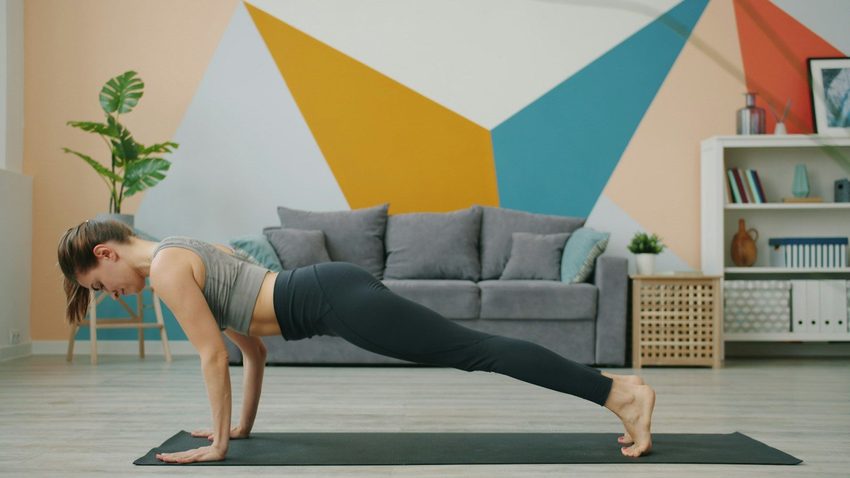
10 Easy Fat Burning Workouts at Home for Beginners
Are you looking for simple ways to burn fat, lose weight, and stay fit without spending money on an expensive gym membership? The good news is that you don’t need fancy fitness equipment or a personal trainer to start your fitness journey. With the right exercises, consistency, and a little motivation, you can achieve your fitness goals from the comfort of your home.
Finding the right workout routine can feel overwhelming, especially if you are a beginner. Many people believe that burning fat requires intense exercises, heavy weights, or hours of sweating. However, this isn’t true. Simple bodyweight exercises can help improve your fitness, strengthen your muscles, increase your heart rate, and support healthy weight management.
In this guide, we will explore 10 easy fat burning workouts at home for beginners that require little or no equipment. These exercises are beginner-friendly, easy to follow, and suitable for people who want to build an active lifestyle.
Whether you want to reduce belly fat, improve your stamina, tone your body, or simply become healthier, these home workouts can help you get started.
Let’s dive in!
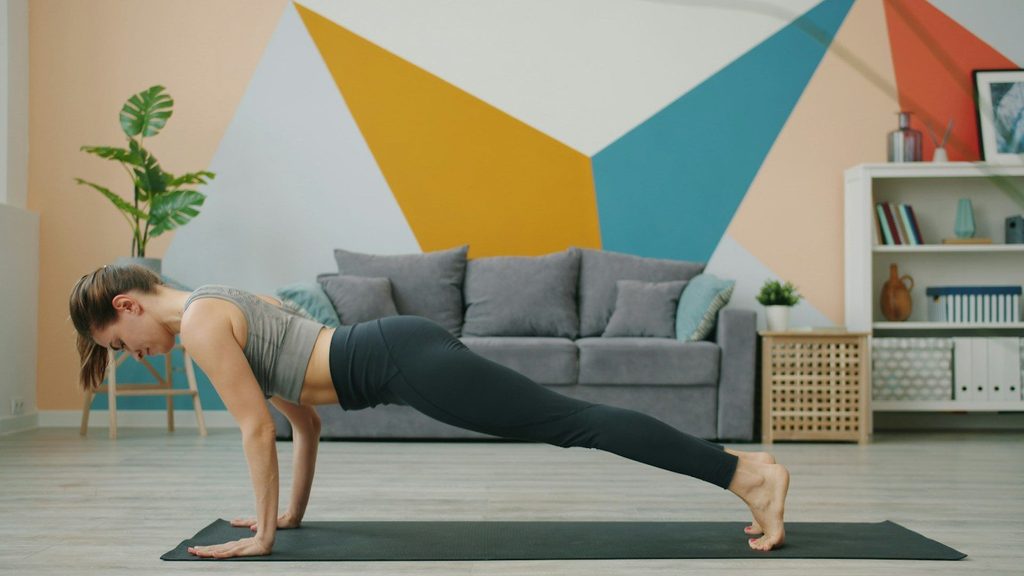
Why Choose Home Workouts for Fat Burning?
Home workouts have become increasingly popular because they are convenient, affordable, and easy to incorporate into everyday life.
You don’t have to worry about traveling to the gym, paying membership fees, or waiting for exercise machines. You can exercise whenever you have free time.
Here are some benefits of choosing home workouts:
1. No Expensive Equipment Required
Most beginner-friendly fat-burning exercises use your body weight as resistance. You can start with simple movements without purchasing dumbbells, treadmills, or other fitness equipment.
2. Save Time and Money
Working out at home eliminates transportation costs and gym membership fees. Even a 20-minute workout can be a great starting point.
3. Exercise at Your Own Pace
Beginners often feel uncomfortable exercising around experienced gym members. At home, you can learn new movements, take breaks, and gradually increase your intensity without feeling pressured.
4. Improve Overall Health
Regular physical activity can improve cardiovascular health, strengthen muscles, support better sleep, and improve mood.
5. Build a Consistent Fitness Routine
When exercise is convenient, it becomes easier to develop a healthy habit. Consistency is one of the most important factors in achieving long-term fitness results.
10 Easy Fat Burning Workouts at Home for Beginners
Here are ten simple exercises you can add to your home fitness routine. Start slowly, focus on proper form, and increase your workout duration as your fitness improves.
1. Jumping Jacks
Jumping jacks are one of the easiest cardio exercises for beginners who want to increase their heart rate and burn calories.
This full-body exercise engages your legs, shoulders, arms, and core while improving cardiovascular endurance.
How to Do Jumping Jacks:
-
- Stand upright with your feet together and arms resting beside your body.
-
- Jump gently while spreading your legs apart.
-
- Raise both arms above your head at the same time.
-
- Jump again and bring your feet together while lowering your arms.
-
- Repeat the movement at a comfortable pace.
Recommended Duration: 20–30 seconds.
Beginner Tip: If jumping feels uncomfortable, perform step jacks instead. Step one foot out at a time while raising your arms.
Benefits:
-
- Increases heart rate.
-
- Improves cardiovascular endurance.
-
- Engages multiple muscle groups.
-
- Supports calorie expenditure.
2. Bodyweight Squats
Squats are excellent for strengthening your lower body and building muscle. They target your quadriceps, hamstrings, glutes, and core muscles.
Although squats are not exclusively a fat-burning exercise, they help build muscle and support an effective full-body fitness routine.
How to Do Bodyweight Squats:
-
- Stand with your feet approximately shoulder-width apart.
-
- Keep your chest lifted and your back in a neutral position.
-
- Slowly bend your knees and push your hips backward as if sitting on a chair.
-
- Lower yourself as far as comfortably possible.
-
- Push through your feet to return to the standing position.
Recommended Duration: 10–15 repetitions.
Beginner Tip: Place a chair behind you and squat toward it if you need extra support.
Benefits:
-
- Strengthens the thighs and glutes.
-
- Improves lower-body strength.
-
- Engages the core.
-
- Supports functional everyday movements.
3. High Knees
High knees are a simple cardio workout that can help improve endurance and increase calorie expenditure.
This exercise involves running in place while lifting your knees toward your chest. Beginners can perform a slower marching version before progressing to faster movements.
How to Do High Knees:
-
- Stand upright with your feet hip-width apart.
-
- Begin marching in place.
-
- Lift your right knee toward your chest.
-
- Lower it and lift your left knee.
-
- Continue alternating legs while moving your arms naturally.
Recommended Duration: 20–30 seconds.
Beginner Tip: Start with slow marching movements. Increase your speed only when you feel comfortable.
Benefits:
-
- Improves cardiovascular fitness.
-
- Engages the abdominal muscles.
-
- Strengthens the legs.
-
- Helps improve coordination.
4. Mountain Climbers
Mountain climbers are a dynamic exercise that combines cardio and core strengthening. They work several muscle groups, including the shoulders, arms, legs, and abdominal muscles.
This exercise can be challenging for beginners, so start slowly and focus on maintaining proper form.
How to Do Mountain Climbers:
-
- Start in a high plank position with your hands directly beneath your shoulders.
-
- Keep your body straight and tighten your core.
-
- Bring your right knee toward your chest.
-
- Return your right foot to the starting position.
-
- Bring your left knee toward your chest.
-
- Continue alternating legs.
Recommended Duration: 15–30 seconds.
Beginner Tip: Perform slow mountain climbers or place your hands on a sturdy elevated surface to reduce the difficulty.
Benefits:
-
- Strengthens the core.
-
- Improves cardiovascular endurance.
-
- Engages the upper and lower body.
-
- Develops coordination and stability.
5. Butt Kicks
Butt kicks are another beginner-friendly cardio exercise that can be performed in a small space.
The movement involves jogging gently in place while bringing your heels toward your glutes.
How to Do Butt Kicks:
-
- Stand upright with your feet hip-width apart.
-
- Begin jogging slowly in place.
-
- Bend your right knee and bring your heel toward your buttocks.
-
- Lower your foot and repeat with the left leg.
-
- Continue alternating while maintaining a comfortable rhythm.
Recommended Duration: 20–30 seconds.
Beginner Tip: Walk in place and gently bend your knees if jogging feels too intense.
Benefits:
-
- Increases heart rate.
-
- Activates the hamstrings.
-
- Improves lower-body coordination.
-
- Supports cardiovascular fitness.
6. Reverse Lunges
Reverse lunges are excellent for strengthening your legs and glutes while improving balance.
Unlike jumping exercises, reverse lunges are low-impact when performed slowly and with control.
How to Do Reverse Lunges:
-
- Stand straight with your feet hip-width apart.
-
- Step your right foot backward.
-
- Bend both knees until your front thigh is comfortable and your back knee moves toward the floor.
-
- Push through your front foot to return to the starting position.
-
- Repeat with your left leg.
Recommended Duration: 8–10 repetitions per leg.
Beginner Tip: Hold onto a sturdy chair or wall for balance if necessary.
Benefits:
-
- Strengthens the quadriceps and glutes.
-
- Improves balance.
-
- Engages the core.
-
- Builds lower-body stability.
7. Plank
The plank is one of the best beginner-friendly exercises for developing core strength.
While it doesn’t burn as many calories as vigorous cardio exercises, it helps strengthen the abdominal muscles and improve overall stability.
How to Do a Plank:
-
- Start by lying face down on an exercise mat.
-
- Position your elbows directly beneath your shoulders.
-
- Lift your body while supporting yourself on your forearms and toes.
-
- Keep your back straight and your core engaged.
-
- Hold the position while breathing normally.
Recommended Duration: 10–20 seconds initially.
Beginner Tip: Perform a knee plank by keeping your knees on the floor. Gradually increase the holding time as your strength improves.
Benefits:
-
- Strengthens abdominal muscles.
-
- Improves core stability.
-
- Supports better posture.
-
- Engages the shoulders and back.
8. Glute Bridges
Glute bridges are a simple floor exercise that targets the glutes, hamstrings, and core.
They are particularly useful for beginners who want to strengthen their lower body without performing high-impact movements.
How to Do Glute Bridges:
-
- Lie on your back with your knees bent.
-
- Place your feet flat on the floor, approximately hip-width apart.
-
- Keep your arms beside your body.
-
- Tighten your abdominal muscles and squeeze your glutes.
-
- Lift your hips toward the ceiling.
-
- Pause briefly at the top.
-
- Slowly lower your hips back to the floor.
Recommended Duration: 12–15 repetitions.
Beginner Tip: Avoid arching your lower back when lifting your hips. Focus on squeezing your glutes.
Benefits:
-
- Strengthens the glutes.
-
- Engages the hamstrings.
-
- Improves hip stability.
-
- Supports lower-body strength.
9. Standing Side Leg Raises
Standing side leg raises are an excellent low-impact exercise for beginners. They target the outer hips and help improve balance and lower-body stability.
You don’t need to jump or move quickly to perform this exercise effectively.
How to Do Standing Side Leg Raises:
-
- Stand upright with your feet together.
-
- Hold onto a chair or wall for support.
-
- Slowly lift your right leg sideways.
-
- Keep your upper body straight and avoid leaning.
-
- Lower your leg slowly.
-
- Repeat with your left leg.
Recommended Duration: 10–15 repetitions per leg.
Beginner Tip: Keep the movement controlled instead of swinging your legs.
Benefits:
-
- Strengthens the hip muscles.
-
- Improves balance.
-
- Supports lower-body stability.
-
- Provides a low-impact workout option.
10. Marching in Place
Marching in place is one of the easiest fat-burning exercises for absolute beginners.
It is particularly useful for people who have been inactive for a long time or prefer low-impact movements.
How to Do Marching in Place:
-
- Stand upright with your feet slightly apart.
-
- Lift your right knee gently.
-
- Lower your right foot and lift your left knee.
-
- Swing your arms naturally as you march.
-
- Continue alternating legs at a steady pace.
Recommended Duration: 1–2 minutes.
Beginner Tip: Start slowly and gradually increase your marching speed as your endurance improves.
Benefits:
-
- Improves cardiovascular fitness.
-
- Increases daily physical activity.
-
- Strengthens the legs.
-
- Provides a gentle warm-up or recovery exercise.
Beginner-Friendly 20-Minute Fat Burning Workout Routine
Now that you know the ten exercises, you can combine them into a simple home workout.
You don’t need to perform all ten exercises at maximum intensity. The goal is to create a balanced routine that challenges your body without overwhelming you.
Here is a simple 20-minute workout plan:
| Exercise | Duration |
|---|---|
| Marching in Place | 2 minutes |
| Jumping Jacks or Step Jacks | 30 seconds |
| Bodyweight Squats | 12 repetitions |
| High Knees or Marching | 30 seconds |
| Reverse Lunges | 10 per leg |
| Glute Bridges | 15 repetitions |
| Mountain Climbers | 20 seconds |
| Standing Side Leg Raises | 10 per leg |
| Plank | 15–20 seconds |
| Butt Kicks | 30 seconds |
Rest for approximately 30–45 seconds between exercises when needed. Adjust the pace and repetitions to your fitness level.
Finish with a few minutes of gentle stretching.
If you cannot complete the entire routine initially, start with five exercises and gradually add more as your fitness improves.
7-Day Beginner Home Workout Schedule
Creating a weekly workout schedule can help you remain consistent and avoid exercising too intensely.
Here is a simple seven-day plan for beginners:
| Day | Workout |
|---|---|
| Monday | 20-minute full-body workout |
| Tuesday | 15–20 minutes of brisk walking or marching |
| Wednesday | Squats, lunges, glute bridges, and plank |
| Thursday | Rest or gentle stretching |
| Friday | Beginner cardio workout |
| Saturday | Full-body bodyweight exercises |
| Sunday | Rest and recovery |
You don’t have to exercise intensely every day. Rest days are important because they allow your muscles to recover and help reduce the risk of overtraining.
If you are new to exercise, begin with three workout days per week and gradually increase your activity.
Tips to Burn Fat Faster With Home Workouts
Exercise is an important part of weight management, but your daily habits also influence your results.
Here are some practical ways to support your fat-loss journey.
1. Stay Consistent With Your Workouts
Consistency is more important than performing extremely difficult exercises once in a while.
Aim to establish a realistic workout routine that you can maintain. Even short sessions can contribute to your weekly physical activity.
2. Combine Cardio and Strength Training
Cardio exercises increase your heart rate and help burn calories during physical activity.
Strength exercises, such as squats, lunges, and glute bridges, help build and maintain muscle.
Combining both types of exercise creates a balanced fitness routine.
3. Eat a Balanced Diet
Your nutrition plays a major role in weight management.
Try to include:
-
- Lean protein such as eggs, fish, chicken, beans, and lentils.
-
- Vegetables such as spinach, carrots, broccoli, and cabbage.
-
- Fruits such as oranges, apples, bananas, and berries.
-
- Whole grains such as oats, brown rice, and whole-grain bread.
-
- Healthy fats from nuts, seeds, and avocados.
Pay attention to portion sizes and avoid relying heavily on highly processed foods and sugary drinks.
4. Drink Enough Water
Staying hydrated supports normal body functions and helps replace fluids lost through sweating.
Drink water throughout the day, especially before and after exercising.
5. Get Enough Sleep
Sleep is an important part of physical recovery.
Most adults should aim for seven to nine hours of sleep each night. Getting enough rest can support exercise performance, recovery, and healthy appetite regulation.
6. Increase Your Daily Movement
Your fitness routine doesn’t have to end when your workout is over.
Look for simple opportunities to move more throughout the day.
For example:
-
- Take short walks.
-
- Use the stairs when appropriate.
-
- Stand up and stretch regularly.
-
- Dance to your favorite music.
-
- Do household chores.
Small lifestyle changes can increase your overall daily activity.
7. Track Your Progress
Don’t measure your success only by the number on the weighing scale.
You can also monitor:
-
- How long you can exercise without stopping.
-
- How many squats you can perform.
-
- Improvements in your strength.
-
- Changes in your waist measurement.
-
- How your clothes fit.
-
- Your energy levels and overall fitness.
Remember that progress takes time. Focus on healthy habits rather than expecting overnight results.
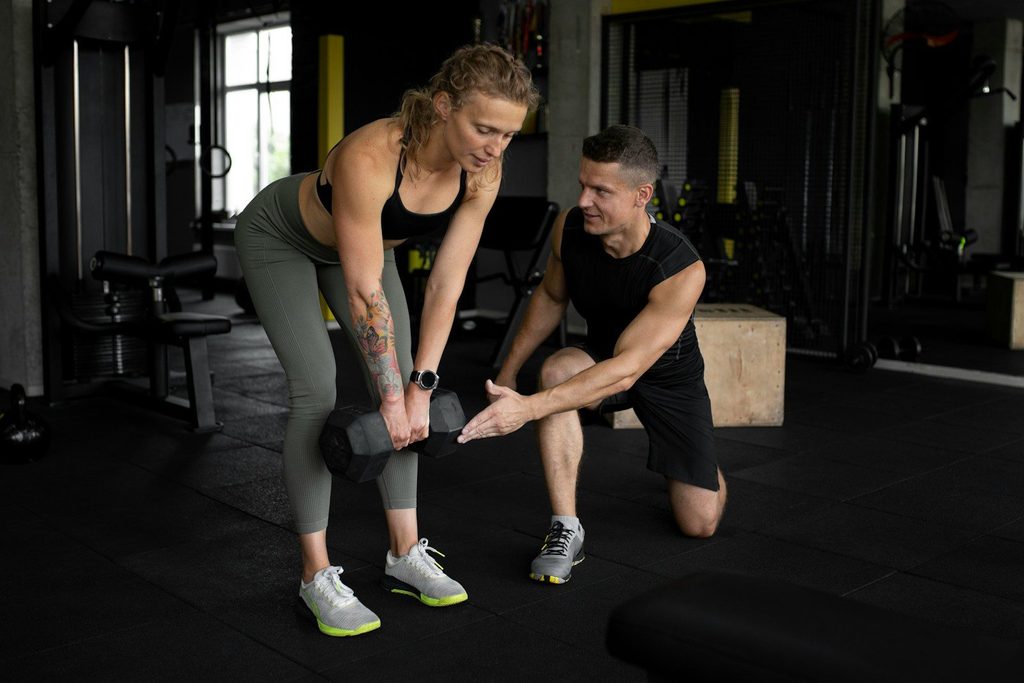
Can You Lose Belly Fat With Home Workouts?
Yes, home workouts can support overall fat loss, which may eventually reduce belly fat.
However, it’s important to understand that you cannot choose exactly where your body loses fat.
Exercises such as planks, mountain climbers, and squats strengthen different muscle groups, but they do not directly burn fat from one specific body area.
Belly fat reduction generally requires a combination of:
-
- Regular physical activity.
-
- A balanced diet.
-
- Appropriate calorie intake.
-
- Adequate sleep.
-
- Consistent healthy habits.
The most effective approach is to focus on overall health and gradual, sustainable fat loss.
Common Mistakes Beginners Should Avoid
Starting a fitness journey is exciting, but some common mistakes can make it difficult to maintain progress.
Here are a few things to avoid:
1. Exercising Too Intensely at First
Don’t force yourself to perform advanced exercises immediately. Start with simple movements and increase the difficulty gradually.
2. Skipping Warm-Ups
A warm-up prepares your muscles and cardiovascular system for physical activity. Spend three to five minutes marching, moving your arms, and performing gentle mobility exercises.
3. Ignoring Proper Form
Performing an exercise incorrectly can increase the risk of injury. Focus on controlled movements rather than speed.
4. Expecting Immediate Results
Fat loss and physical fitness take time. Avoid comparing your progress with other people’s results.
5. Ignoring Rest and Recovery
Your body needs recovery time. Include rest days and avoid training through significant pain.
6. Depending Only on Exercise
Physical activity is important, but nutrition, sleep, and everyday habits also influence weight management.
Safety Tips Before Starting Your Home Workout
Before beginning any new exercise routine, consider your current fitness level and physical limitations.
Keep these safety tips in mind:
-
- Wear comfortable clothing and supportive footwear.
-
- Exercise on a flat, non-slip surface.
-
- Keep enough space around you.
-
- Start with low-impact movements.
-
- Drink water regularly.
-
- Stop if you experience chest pain, dizziness, or unusual shortness of breath.
-
- Consult a healthcare professional before starting if you have an existing medical condition or concerns about exercising safely.
If you experience sharp or persistent pain, stop the exercise rather than trying to push through it.
Frequently Asked Questions (FAQs)
1. What Is the Best Fat-Burning Workout for Beginners at Home?
Marching in place, jumping jacks, squats, high knees, and mountain climbers are useful beginner-friendly exercises.
The best workout is one that matches your current fitness level and that you can perform consistently.
2. Can I Burn Fat at Home Without Equipment?
Yes. You can perform several effective exercises without gym equipment.
Bodyweight movements such as squats, lunges, planks, mountain climbers, and glute bridges can help improve strength and fitness.
3. How Long Should Beginners Work Out at Home?
Beginners can start with 10–20 minutes per session, three days per week.
As your endurance improves, gradually increase your workout duration and frequency.
The general recommendation for adults is at least 150 minutes of moderate-intensity aerobic activity per week, alongside muscle-strengthening activities on two or more days.
4. Can I Lose Weight by Exercising for 20 Minutes Every Day?
Twenty minutes of exercise can contribute to weight management and improve your fitness.
However, weight loss depends on several factors, including nutrition, total daily activity, sleep, and consistency.
5. Which Exercise Burns the Most Belly Fat?
No exercise specifically targets belly fat.
Full-body movements such as jumping jacks, squats, and mountain climbers can increase calorie expenditure, while a balanced diet and regular physical activity support overall fat loss.
6. Are Home Workouts Effective for Beginners?
Absolutely! Home workouts can improve strength, endurance, flexibility, and cardiovascular fitness.
You don’t need a gym membership to establish a healthy exercise routine.
7. Should Beginners Exercise Every Day?
Beginners don’t need to perform intense workouts every day.
Starting with three days of structured exercise per week, alongside light daily movement, is a practical approach. Allow time for muscle recovery.
8. How Long Does It Take to See Results From Home Workouts?
Results vary from person to person depending on exercise consistency, nutrition, starting fitness level, and other lifestyle factors.
You may notice improvements in stamina and strength within a few weeks, while visible body composition changes can take longer.
Focus on sustainable progress rather than quick fixes.
Conclusion
Getting fit doesn’t have to be expensive or complicated. With these 10 easy fat burning workouts at home for beginners, you can start building strength, improving your cardiovascular fitness, and supporting your weight-management goals without visiting a gym.
From jumping jacks and squats to mountain climbers, planks, and marching in place, these exercises offer a simple way to become more active using little or no equipment.
Remember that consistency, proper exercise technique, balanced nutrition, and adequate rest are essential for long-term success.
Start with a few exercises, listen to your body, and gradually increase your workout intensity as you become stronger.
Your fitness journey starts with one small step. Choose your favorite exercise, create a simple routine, and start moving today!