

Does Walking 30 Minutes a Day Help Lose Belly Fat?
Losing belly fat can feel challenging, especially when you’re trying to find a simple exercise that fits into your daily routine. The good news is that you don’t necessarily need intense workouts or hours at the gym to start making progress. Something as simple as walking for 30 minutes a day can help support weight loss and improve your overall health. But does walking 30 minutes a day help lose belly fat, and how effective is it for reducing stubborn abdominal fat? The answer is yes, walking regularly can contribute to belly fat loss by burning calories, improving metabolism, and supporting a healthy weight. However, the results depend on factors such as your walking pace, diet, consistency, and overall lifestyle. In this article, we’ll explore how daily walking affects belly fat, how long it takes to see results, and practical tips to get the most out of your 30-minute walks.
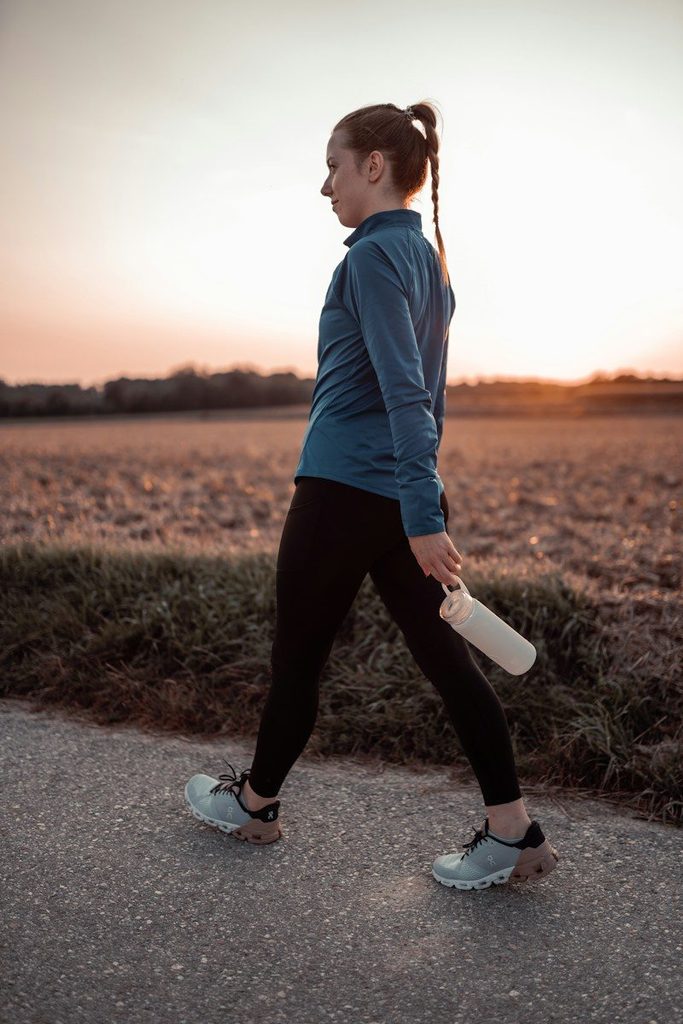
1. How Does Walking 30 Minutes a Day Help Lose Belly Fat?
Walking helps reduce belly fat primarily by increasing the amount of energy your body uses throughout the day.
Your body requires calories to perform essential functions such as breathing, digestion, circulation, and physical movement.
When you consistently consume fewer calories than your body uses, you create a calorie deficit. Over time, this encourages your body to use stored energy, including body fat.
A daily 30-minute walk can contribute to this process.
Walking increases calorie expenditure
Although walking may not burn as many calories per minute as running, it can still make a meaningful contribution to your daily energy expenditure.
For example, depending on your body weight and walking speed, a 30-minute walk might burn approximately 100–200 calories.
If you maintain this habit consistently, those calories accumulate over weeks and months.
However, the amount of weight you lose will depend on your overall calorie balance, diet, activity level, and individual metabolism.
Walking supports overall body fat reduction
One of the biggest misconceptions about losing belly fat is that you can choose exactly where your body burns fat.
Unfortunately, spot reduction does not work that way.
Doing hundreds of crunches will not automatically eliminate abdominal fat, and walking does not exclusively target your stomach.
Instead, walking supports overall fat loss, which may include fat stored around your abdomen.
Walking may help reduce visceral fat
Not all belly fat is the same.
There are two major types of abdominal fat:
-
Subcutaneous fat: Fat stored directly beneath your skin.
-
Visceral fat: Fat stored deeper inside your abdomen, surrounding internal organs.
Excess visceral fat is associated with increased risks of cardiovascular disease, type 2 diabetes, and other metabolic health problems.
Regular aerobic exercise, including brisk walking, can help reduce visceral fat over time.
This makes walking valuable not only for improving your appearance but also for supporting long-term health.
2. How Many Calories Does Walking 30 Minutes Burn?
One of the most common questions among beginners is how many calories they can burn during a 30-minute walk.
The answer depends on several factors, including body weight, walking speed, terrain, fitness level, and whether you are walking uphill or on a flat surface.
The following table provides approximate calorie estimates for 30 minutes of level-ground walking.
| Body Weight | Moderate Walking (3 mph) | Brisk Walking (4 mph) |
|---|---|---|
| 130 lbs | 100 calories | 150 calories |
| 155 lbs | 120 calories | 175 calories |
| 180 lbs | 140 calories | 205 calories |
| 205 lbs | 160 calories | 235 calories |
These are illustrative estimates based on standard activity-intensity values. Actual calorie expenditure varies.
For example, a person weighing approximately 155 pounds might burn around 175 calories during a brisk 30-minute walk.
Walking at that pace seven days per week could result in approximately 1,225 additional calories expended through walking.
However, this does not guarantee a specific amount of weight loss because appetite, food intake, and other metabolic factors can change.
How to burn more calories while walking
If you want to increase the effectiveness of your walking workouts, consider making a few simple adjustments.
Walk at a slightly faster pace, choose routes with gentle hills, increase your walking duration gradually, and maintain an upright posture.
You can also include short intervals of faster walking to challenge your cardiovascular system.
The most important factor is choosing an intensity you can maintain safely and consistently.
3. Can Walking 30 Minutes Every Day Reduce Belly Fat Without Dieting?
Yes, walking may help reduce belly fat without following a strict diet, but the results are often slower when eating habits remain unchanged.
Weight loss generally occurs when your total energy expenditure exceeds your calorie intake.
If you start walking daily but consistently consume more calories than you burn, you may not experience significant fat loss.
For example, imagine you burn an additional 150 calories during your daily walk.
If you then consume an extra 300 calories in snacks, your walking session may not create the calorie deficit needed for weight loss.
This does not mean you must follow a restrictive diet.
Instead, focus on making small, sustainable improvements to your everyday meals.
Healthy eating habits that support walking for belly fat loss
Eat more protein-rich foods. Foods such as eggs, fish, chicken, beans, Greek yogurt, and lentils can support muscle maintenance and help you feel satisfied.
Include fiber-rich foods. Vegetables, fruits, oats, whole grains, and legumes can support digestive health and help manage hunger.
Reduce sugary drinks. Replacing regular soda and other sugar-sweetened beverages with water or unsweetened drinks may help reduce unnecessary calorie intake.
Control portion sizes. Eating appropriate portions can help maintain a calorie deficit without eliminating entire food groups.
Choose minimally processed foods more often. Nutrient-dense meals can make it easier to manage hunger and meet your nutritional needs.
When regular walking is combined with balanced eating habits, the likelihood of reducing excess body fat generally improves.
4. Seven Benefits of Walking 30 Minutes a Day for Belly Fat and Overall Health
Walking provides benefits that extend far beyond the number on your bathroom scale.
Here are seven important reasons to make walking part of your daily routine.
1. Supports gradual belly fat reduction
Regular walking increases energy expenditure and can help create the calorie deficit necessary for overall fat loss.
As your body fat decreases, you may notice gradual changes in your waist measurement.
These changes typically require consistent effort over several weeks or months.
2. Improves cardiovascular health
Brisk walking strengthens your cardiovascular system and helps improve aerobic fitness.
Regular physical activity can also support healthier blood pressure and cholesterol levels.
According to the Centers for Disease Control and Prevention (CDC), adults should aim for at least 150 minutes of moderate-intensity aerobic activity each week.
Walking briskly for 30 minutes on five days per week can help you meet this recommendation.
3. Helps regulate blood sugar
Walking encourages your muscles to use glucose for energy.
This can support improved insulin sensitivity and healthier blood sugar regulation.
Taking a short walk after meals may be particularly useful for managing post-meal blood sugar levels.
4. Supports better mood and stress management
Stress can affect eating habits, sleep quality, and overall health.
Walking provides an opportunity to relax, spend time outdoors, and temporarily disconnect from daily responsibilities.
Regular physical activity is associated with improvements in mood and reductions in symptoms of anxiety.
Although walking does not automatically eliminate stress-related abdominal fat, better stress management may make healthy habits easier to maintain.
5. Improves sleep quality
Consistent physical activity can support better sleep quality.
Getting enough sleep is important because insufficient sleep may affect appetite regulation, food choices, and energy levels.
For many adults, approximately seven to nine hours of sleep per night is a reasonable goal.
Combining daily walking with a consistent sleep schedule can support overall weight management.
6. Helps maintain physical fitness
Walking strengthens the muscles involved in everyday movement, particularly those in your legs and hips.
It also improves walking endurance and helps maintain mobility.
However, walking alone may not provide enough resistance to build or preserve all the muscle you need.
Adding strength training twice per week can complement your walking routine.
7. Creates a sustainable exercise habit
One of the greatest advantages of walking is its simplicity.
You do not need expensive equipment or advanced exercise experience.
You can walk around your neighborhood, in a local park, on a treadmill, or inside a shopping mall.
Because walking is accessible and adaptable, it may be easier to maintain consistently than more demanding exercise programs.
And consistency is one of the most important factors in long-term weight management.
5. How Long Does It Take to Lose Belly Fat by Walking 30 Minutes a Day?
If you are beginning a daily walking routine, you may wonder how quickly you will notice changes around your stomach.
The timeline varies considerably from person to person.
Your starting weight, calorie intake, walking intensity, sleep, genetics, and overall physical activity all influence your results.
The following timeline describes possible changes, not guaranteed weight loss outcomes.
Week 1–2
You may notice better energy, improved mood, and increased walking endurance. Visible belly fat changes are unlikely to be substantial.
Week 3–4
Walking may begin to feel easier. Some people notice small weight or waist changes if they maintain a calorie deficit.
Week 5–8
With consistent exercise and balanced nutrition, measurable changes in body weight or waist circumference may become more apparent.
Week 9–12 and beyond
Continued walking, healthy eating, and strength training may produce more noticeable changes in body composition and fitness.
Remember that progress is not always linear.
Some weeks you may lose weight, while other weeks your weight may remain unchanged because of water retention, hormonal fluctuations, or other factors.
Rather than focusing exclusively on daily scale readings, consider monitoring your waist measurement, walking endurance, energy levels, and how your clothes fit.
6. What Is the Best Walking Speed to Lose Belly Fat?
The best walking speed for belly fat loss is generally a brisk but manageable pace.
Brisk walking is commonly classified as moderate-intensity aerobic exercise.
For many adults, this means walking at approximately 3–4 miles per hour, although the exact speed varies according to fitness level.
A useful way to measure your walking intensity is the talk test.
During moderate-intensity walking, you should be able to talk but may find it difficult to sing comfortably.
Comparing different walking intensities
| Walking Type | Approximate Speed | Intensity |
|---|---|---|
| Leisurely walking | 2 mph | Light |
| Moderate walking | 3 mph | Moderate for many adults |
| Brisk walking | 3.5–4 mph | Moderate to vigorous, depending on fitness |
| Fast power walking | 4–4.5 mph | Vigorous for many adults |
If you are a beginner, start at a comfortable speed and gradually increase your pace.
You do not need to walk as fast as possible to experience health benefits.
In fact, walking consistently at a manageable pace is usually more sustainable than repeatedly pushing yourself beyond your current fitness level.
7. The Best 30-Minute Walking Workout for Belly Fat Loss
A structured walking workout can help you get more out of your daily exercise session.
The following beginner-friendly routine combines comfortable walking with brisk intervals.
Your 30-minute walking workout
BEGINNER-FRIENDLY • NO EQUIPMENT REQUIRED
5 min
Warm-up walk
Start slowly and gradually increase your pace.
10 min
Brisk walking
Walk at a pace that raises your breathing rate.
5 min
Faster intervals
Alternate one minute faster with one minute easier.
5 min
Steady brisk walk
Return to a comfortable, purposeful pace.
5 min
Cool-down
Slow down and let your breathing recover.
Total workout duration
30 min
You can perform this workout outdoors or on a treadmill.
If the faster intervals feel too difficult, replace them with comfortable brisk walking until your fitness improves.
For beginners, it is better to complete the routine safely than to force an intensity that causes excessive discomfort.
8. A 30-Day Walking Plan to Help Reduce Belly Fat
If you are new to exercise, gradually increasing your walking duration and intensity can help reduce fatigue and improve consistency.
This 30-day walking plan is designed to build your endurance before progressing toward regular 30-minute brisk walks.
30-day walking tracker
Tap each day after completing your walk.
0/30
Completed
Week 1
Build the habit
15–20 minutes
Week 2
Improve endurance
20–25 minutes
Week 3
Increase walking pace
25–30 minutes
Week 4
Establish consistency
30 minutes
Final 2 days
Maintain momentum
30 minutes
Rest days can include gentle movement.
Reset
Tips for following this walking plan
Begin with shorter sessions if you have been physically inactive.
Wear comfortable walking shoes, drink water according to your needs, and choose safe walking routes.
You can also divide your daily walking into shorter sessions if completing the full duration at once is difficult.
For example, three 10-minute walks can contribute to your daily activity goals.
If you experience chest pain, dizziness, or unusual shortness of breath, stop exercising and seek appropriate medical attention.
The goal is to build a routine that you can continue beyond the first 30 days.
9. Is Walking Better Than Running for Losing Belly Fat?
Both walking and running can support weight loss and abdominal fat reduction.
The main difference is that running generally burns more calories per minute because it requires greater physical effort.
However, walking may be easier to maintain consistently, especially for beginners.
| Feature | Walking | Running |
|---|---|---|
| Calorie burn per minute | Lower | Higher |
| Joint impact | Generally lower | Generally higher |
| Beginner-friendly | Very accessible | Requires more conditioning |
| Equipment | Comfortable shoes | Supportive running shoes |
| Recovery needs | Usually lower | Often higher |
| Fat loss potential | Effective with consistency | Effective with consistency |
If you enjoy running and can perform it comfortably, it can be an efficient way to increase calorie expenditure.
But if you dislike running, walking remains an excellent alternative.
The best exercise for losing belly fat is one that you can perform regularly while maintaining healthy nutrition and recovery habits.

10. Morning Walking vs. Evening Walking: Which Is Better for Belly Fat Loss?
Another common question is whether walking in the morning burns more belly fat than walking in the evening.
There is no strong evidence that one time of day consistently produces greater long-term fat loss when total activity and calorie balance are similar.
Both morning and evening walks can be beneficial.
Benefits of morning walking
Morning walks can help establish a consistent exercise routine before daily responsibilities become demanding.
Walking outdoors in natural daylight may also support your body’s sleep-wake rhythm.
Some people find that morning exercise improves their energy and motivation for the rest of the day.
Benefits of evening walking
Evening walks provide an opportunity to unwind after work.
Walking after dinner may also help manage post-meal blood sugar levels.
For individuals with busy mornings, evening walking may be easier to maintain.
Which should you choose?
Choose the time that fits your schedule, comfort, and personal preferences.
A consistent evening walking habit is more useful than a morning routine that you repeatedly skip.
11. Does Walking on an Empty Stomach Burn More Belly Fat?
Walking before breakfast is often called fasted walking.
Some people believe exercising on an empty stomach automatically leads to faster belly fat loss.
Although fasted exercise may increase the proportion of fat used as fuel during a particular workout, this does not necessarily translate into greater long-term body fat loss.
Your overall calorie balance and consistent exercise habits remain more important.
If you enjoy walking before breakfast and feel comfortable doing so, it can be a reasonable option.
However, you do not need to walk on an empty stomach to lose weight.
People who experience dizziness, have diabetes, take glucose-lowering medications, or have other relevant health concerns should seek individualized guidance before trying fasted exercise.
12. Five Common Mistakes That Can Slow Your Walking Weight Loss Results
Even with daily walking, certain habits may make it difficult to achieve your goals.
Mistake 1: Expecting immediate belly fat loss
Body fat reduction takes time.
Walking for a few days will not produce dramatic changes in abdominal fat.
Focus on consistency rather than expecting instant results.
Mistake 2: Overestimating calories burned
Fitness trackers and exercise machines provide estimates, not exact measurements.
Avoid assuming that a 30-minute walk gives you unlimited freedom to consume extra calories.
Mistake 3: Walking at the same easy pace forever
Easy walking still provides health benefits, but gradually increasing your pace or duration may improve fitness and calorie expenditure.
As your endurance improves, challenge yourself with brisk walking or gentle hills.
Mistake 4: Ignoring nutrition
Walking cannot reliably compensate for consistently excessive calorie intake.
Balanced meals, appropriate portions, and adequate protein can support your weight management efforts.
Mistake 5: Neglecting strength training
Walking is excellent aerobic exercise, but resistance training provides additional benefits.
Strength training helps maintain muscle during weight loss and supports long-term physical function.
Try incorporating simple exercises such as squats, wall push-ups, resistance-band rows, and modified lunges twice per week.
13. How to Make Walking More Effective for Belly Fat Loss
If you want to improve your walking results, consider these practical strategies.
Increase your daily movement. In addition to your scheduled walk, look for opportunities to move throughout the day. Take the stairs when practical, walk during phone calls, or enjoy a short stroll after meals.
Try interval walking. Alternate between comfortable and faster walking speeds. Intervals can increase workout intensity without requiring continuous high-speed walking.
Add gentle hills. Walking uphill increases the effort required from your leg muscles and cardiovascular system. Begin with small inclines and progress gradually.
Maintain a balanced diet. Focus on nutrient-rich foods and sustainable eating habits rather than extreme restrictions.
Track your progress. Record your walking sessions, weekly waist measurements, or fitness improvements. These indicators may provide a more complete picture than scale weight alone.
Prioritize recovery. Adequate sleep and rest can help you maintain exercise consistency.
Remember that increasing exercise intensity is not always necessary. Walking regularly at a moderate pace can provide substantial health benefits.
14. How Many Steps Should You Walk Daily to Lose Belly Fat?
You may have heard that walking 10,000 steps every day is necessary for weight loss.
However, 10,000 steps is not a universal requirement.
The number of steps you need depends on your current activity level, fitness, and overall weight management plan.
A 30-minute walk might add approximately 3,000–4,000 steps for some people, depending on stride length and pace.
If you currently average 3,000 steps per day, increasing your daily movement toward 5,000 or 6,000 steps may be a practical initial goal.
Over time, you can gradually increase your step count if your health and schedule allow.
Research suggests that health benefits can occur at step counts below 10,000 per day.
For belly fat reduction, your total physical activity and calorie balance are more important than achieving one specific step count.
15. Can You Lose Belly Fat by Walking 30 Minutes a Day After Age 40 or 50?
Yes. Walking can support weight management and abdominal fat reduction for adults over 40 or 50.
As people age, changes in muscle mass, activity levels, and hormones may influence body composition.
Some adults also experience a greater tendency to store fat around the abdomen.
However, these changes do not mean that losing excess body fat is impossible.
A combination of regular walking, resistance training, balanced nutrition, and sufficient sleep can help support healthier body composition.
Walking is especially appealing because it is adaptable to different fitness levels.
Older beginners can start with shorter walks and gradually build toward 30 minutes.
If you have significant mobility limitations or medical conditions that affect exercise safety, consult a qualified healthcare professional before beginning a new program.
16. Frequently Asked Questions About Walking 30 Minutes a Day and Belly Fat
Does walking 30 minutes a day help lose belly fat without going to the gym?
Yes. Walking can support overall fat loss, including abdominal fat reduction, without requiring a gym membership. Results depend on consistency, total calorie balance, and other lifestyle factors.
Can I lose belly fat by walking 30 minutes every day for a month?
You may notice some changes in weight or waist circumference after one month, especially if your walking routine contributes to a consistent calorie deficit. However, noticeable belly fat loss is not guaranteed within 30 days.
Is 30 minutes of walking enough to lose weight?
Thirty minutes of brisk walking can contribute to weight loss, particularly when combined with healthy eating habits. Some people may need additional activity or dietary adjustments to achieve their goals.
Does slow walking burn belly fat?
Slow walking uses energy and can contribute to overall physical activity. However, brisk walking generally burns more calories per minute and provides greater cardiovascular benefits.
Is walking 30 minutes twice a day better for weight loss?
Walking twice for 30 minutes generally burns more total calories than walking once for 30 minutes at a similar pace. However, the best routine is one that matches your fitness level, recovery needs, and schedule.
Can walking reduce lower belly fat?
Walking can help reduce overall body fat, which may include fat stored in the lower abdomen. However, you cannot choose where your body loses fat first.
Should I walk before or after eating to lose belly fat?
Both can be beneficial. Walking after meals may provide additional blood sugar benefits, but there is no compelling evidence that walking before or after eating consistently produces greater belly fat loss.
Is walking on a treadmill as effective as walking outdoors?
Yes. Treadmill walking and outdoor walking can provide similar cardiovascular and calorie-burning benefits when performed at comparable intensities. Choose whichever option you enjoy and can maintain.
Will walking alone give me a flat stomach?
Walking may contribute to reducing abdominal fat, but a flat stomach is not guaranteed. Genetics, body composition, posture, digestion, and other factors influence abdominal appearance.
How many days a week should I walk to lose belly fat?
Aim to gradually build toward at least 150 minutes of moderate-intensity aerobic activity per week. Walking for 30 minutes five days a week meets this general guideline. Additional activity may support weight management, depending on individual circumstances.
17. What Does Science Say About Walking and Belly Fat Loss?
Scientific research supports regular aerobic exercise as an effective way to improve cardiovascular fitness and reduce body fat.
Walking is a form of aerobic exercise, and brisk walking can contribute to the moderate-intensity activity recommended by major public health organizations.
Research on aerobic exercise suggests that consistent physical activity can help reduce abdominal fat, including visceral fat.
However, the amount of fat lost depends on exercise duration, intensity, starting body composition, nutrition, and individual differences.
It is also important to distinguish between improved health and visible changes in body shape.
Even when the scale does not move significantly, regular walking may still improve blood pressure, blood sugar regulation, physical endurance, and overall well-being.
For this reason, daily walking should be viewed as a long-term health habit rather than a quick fix for belly fat.

Trusted sources for further reading
For additional evidence-based information, explore these authoritative resources:
Conclusion: Does Walking 30 Minutes a Day Really Help Lose Belly Fat?
So, does walking 30 minutes a day help lose belly fat?
Yes. Walking for 30 minutes daily can help reduce belly fat over time by increasing calorie expenditure and supporting overall fat loss.
Although walking cannot specifically target fat around your stomach, it can contribute to a healthier body composition when combined with balanced nutrition and other sustainable lifestyle habits.
Brisk walking also provides benefits beyond weight management, including improved cardiovascular health, better blood sugar regulation, enhanced mood, and increased physical endurance.
The key is consistency.
You do not need to begin with an intense workout program or spend hours exercising every day.
Start with a comfortable walking pace, gradually increase your activity level, and focus on building habits you can maintain.
For even better long-term results, combine walking with strength training, nutritious meals, and adequate sleep.
Your next step: Begin with a manageable walk today, follow the 30-day walking plan above, and track your progress over time. Small, consistent actions can lead to meaningful improvements in your fitness and overall health.