
What Are the Top Five Tools for Losing Belly Fat Fast and Forever?
Are you struggling with stubborn belly fat despite trying different diets, workouts, and weight loss methods? You’re not alone. Millions of Americans want to lose belly fat, improve their overall health, and achieve a slimmer waistline without following extreme diets or spending countless hours at the gym. If you’ve been wondering, “What are the top five tools for losing belly fat fast and forever?”, you’ve come to the right place.
Losing belly fat isn’t just about looking better in your favorite clothes. Excess abdominal fat, particularly visceral fat that surrounds your internal organs, is associated with an increased risk of heart disease, type 2 diabetes, and other health problems. The good news is that combining the right weight loss tools with healthy lifestyle habits can help you reduce overall body fat, improve your metabolism, and maintain your results over time.
In this comprehensive guide, we’ll explore the top five tools for losing belly fat, including effective exercise strategies, healthy eating techniques, fitness tracking tools, and practical lifestyle changes. Whether you’re a beginner starting your weight loss journey or someone looking for a more sustainable approach, these science-backed strategies can help you make meaningful progress without expensive equipment or unrealistic promises.
While no tool can guarantee instant or permanent belly fat loss, the right combination of consistent exercise, balanced nutrition, quality sleep, and progress tracking can make a significant difference. You also can’t target belly fat exclusively, but reducing overall body fat can help shrink your waistline.
Ready to discover the five best tools to help you lose belly fat and keep it off long-term? Let’s explore practical, beginner-friendly solutions that can support your weight loss goals and help you build a healthier, more confident lifestyle.
One of the most common questions people ask is, “What are the top five tools for losing belly fat fast and forever?”
The answer might surprise you.
You don’t need expensive supplements, complicated workout machines, or unrealistic diet plans to begin reducing belly fat. Instead, successful weight management comes from combining practical tools with healthy lifestyle habits.
The most effective approach involves balanced nutrition, regular exercise, strength training, progress monitoring, and adequate sleep.
These strategies help you reduce overall body fat, improve your fitness, and build sustainable habits that make long-term weight maintenance easier.
However, it’s important to understand that no tool can guarantee permanent belly fat loss or specifically burn fat from your stomach. Your body determines where fat is lost, and results vary from person to person.
In this comprehensive guide, you’ll discover five useful tools for losing belly fat, how each works, and how to combine them into a simple daily routine.
You’ll also learn which common mistakes to avoid, how quickly you might see results, and how to create a beginner-friendly seven-day weight loss plan.
Let’s explore the tools that can help you get started.
Understanding Belly Fat: Why Is It Difficult to Lose?
Before discussing the best tools for losing belly fat, it’s important to understand what abdominal fat is and why it accumulates.
Belly fat generally falls into two categories.
1. Subcutaneous Fat
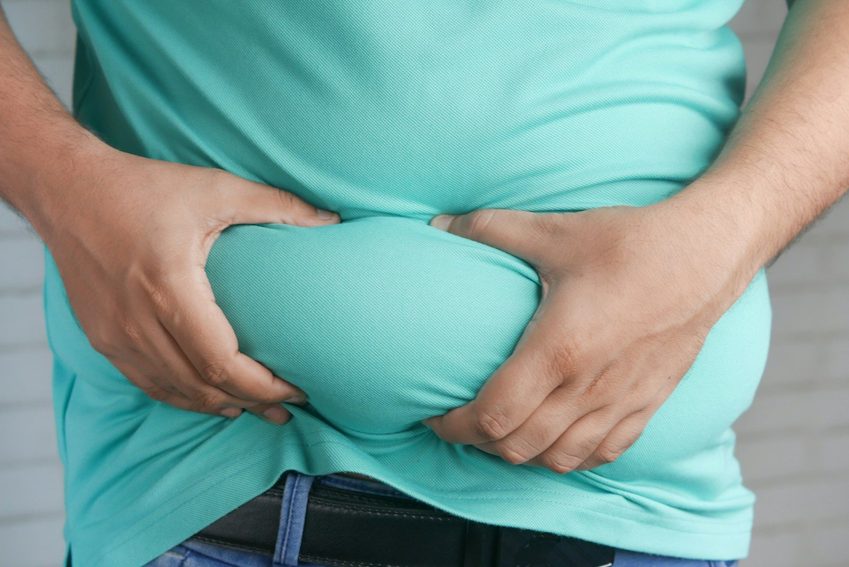
Subcutaneous fat is located directly underneath your skin. It’s the soft fat you can often pinch around your waist and stomach.
Everyone has some subcutaneous fat, and it serves important functions, including energy storage and insulation.
2. Visceral Fat
Visceral fat is stored deeper inside your abdomen, surrounding internal organs such as the liver and intestines.
Excess visceral fat is associated with increased risks of health problems, including:
- Type 2 diabetes
- Cardiovascular disease
- High blood pressure
- Metabolic disorders
- Insulin resistance
Several factors can contribute to increased abdominal fat, including genetics, aging, hormonal changes, inadequate sleep, physical inactivity, and long-term excess calorie intake.
An important point to remember is that spot reduction doesn’t reliably work.
Doing hundreds of sit-ups or crunches may strengthen your abdominal muscles, but it won’t specifically eliminate the fat covering them.
Reducing belly fat generally requires losing overall body fat through a combination of healthy eating, physical activity, and sustainable lifestyle changes.
What Are the Top Five Tools for Losing Belly Fat Fast and Forever?
Here are five practical tools that can help support your weight loss journey.
- Food tracking and meal planning tools
- Cardio exercise equipment
- Strength training equipment
- Weight and waist measurement tools
- Sleep and healthy habit tracking tools
Each tool supports a different part of healthy weight management. Combining them can be more useful than relying on any single strategy.
1. Food Tracking and Meal Planning Tools for Belly Fat Loss
One of the most valuable tools for losing belly fat is a food-tracking or meal-planning system.
Although exercise plays an important role in weight management, your eating habits significantly influence your results.
Your body requires energy from food to function. When you regularly consume more calories than your body uses, excess energy may be stored as fat.
When you maintain an appropriate calorie deficit over time, your body can use stored energy, helping you lose weight.
How Food Tracking Helps You Lose Belly Fat
Food-tracking tools help you become more aware of what you’re eating.
They can help you:
- Monitor daily calorie intake.
- Understand appropriate portion sizes.
- Identify high-calorie snacks and beverages.
- Track protein and fiber consumption.
- Plan balanced meals.
- Develop more consistent eating habits.
Popular food-tracking apps include MyFitnessPal and Cronometer.
However, you don’t need a paid app to benefit from food tracking. A simple notebook or weekly meal planner can work just as well for building awareness.
Food tracking should support healthy decisions rather than create stress or encourage excessive restriction.
Best Foods to Eat When Trying to Lose Belly Fat
Instead of following restrictive fad diets, focus on nutrient-dense foods that help you feel satisfied.
Lean proteins: Chicken breast, fish, eggs, tofu, beans, and Greek yogurt.
Protein supports muscle maintenance and can help you feel full after meals.
Fiber-rich vegetables: Broccoli, spinach, carrots, cauliflower, and bell peppers.
Vegetables provide important vitamins, minerals, and dietary fiber.
Whole grains: Oatmeal, brown rice, quinoa, and whole-wheat bread.
These foods provide energy and fiber that support digestive health.
Healthy fats: Avocados, nuts, seeds, and olive oil.
Healthy fats contribute to balanced nutrition and can make meals more satisfying.
Fresh fruits: Apples, berries, oranges, bananas, and pears.
Fruits provide essential nutrients and can be convenient alternatives to highly processed snacks.
Example of a Healthy Daily Meal Plan
Breakfast: Oatmeal with blueberries and plain Greek yogurt.
Lunch: Grilled chicken salad with mixed vegetables and olive oil dressing.
Dinner: Baked salmon with brown rice and steamed broccoli.
Healthy snacks: Apple slices, carrots with hummus, or a small serving of almonds.
Drinks: Water, sparkling water, and unsweetened tea.
Adjust portions based on your nutritional needs, activity level, and health circumstances.
Practical Tip
Prepare healthy meals two or three days in advance.
Having nutritious meals readily available can reduce your reliance on fast food and make it easier to maintain consistent eating habits.
2. Cardio Exercise Equipment for Losing Belly Fat
Cardiovascular exercise is another effective strategy for reducing overall body fat.
Cardio increases your heart rate, improves cardiovascular fitness, and helps your body expend energy.
When combined with appropriate nutrition, regular aerobic exercise can contribute to reductions in body fat, including visceral fat.
Best Cardio Tools for Beginners
You don’t need an expensive gym membership to get started.
Walking shoes
Walking is one of the most accessible forms of physical activity.
A comfortable pair of supportive walking shoes may be all you need to begin.
Brisk walking can improve cardiovascular health and support weight management.
Treadmill
A treadmill allows you to walk or jog indoors regardless of weather conditions.
It’s particularly useful for people who prefer exercising at home.
Stationary bicycle
Stationary cycling provides a lower-impact cardio workout that may be suitable for people who find running uncomfortable.
Fitness tracker
A fitness tracker or step counter can help you monitor daily movement and build consistent activity habits.
However, calorie-burn estimates from wearable devices aren’t always accurate.
How Much Cardio Should You Do?
The Centers for Disease Control and Prevention recommends that adults aim for at least 150 minutes of moderate-intensity aerobic activity each week.
Adults should also perform muscle-strengthening activities on at least two days weekly.
For beginners, starting with shorter sessions is perfectly reasonable.
Consider this walking progression:
WeekWalking DurationFrequencyWeek 110–15 minutes5 daysWeek 215–20 minutes5 daysWeek 320–25 minutes5 daysWeek 425–30 minutes5 days
Increase your activity gradually according to your comfort and fitness level.
Is Walking Better Than Running for Belly Fat Loss?
Both walking and running can contribute to weight loss.
Running generally burns more calories per minute, but walking may be easier to maintain consistently, particularly for beginners.
The best activity is the one you enjoy and can continue regularly.
If walking fits your schedule better than running, it can be an excellent starting point.
3. Strength Training Equipment for Burning Body Fat
Strength training is an important component of a healthy weight loss program.
Many beginners focus exclusively on cardio exercises, believing that lifting weights is only necessary for building large muscles.
However, resistance training can help preserve muscle mass during weight loss.
Maintaining muscle is important for strength, mobility, physical performance, and metabolic health.
Best Strength Training Tools for Home Workouts
You don’t need a fully equipped gym to build strength.
Dumbbells
Dumbbells are versatile tools that can be used for exercises targeting multiple muscle groups.
Examples include dumbbell squats, rows, shoulder presses, and lunges.
Resistance bands
Resistance bands are affordable, portable, and suitable for many beginners.
They provide resistance during movements and can be used for both upper-body and lower-body exercises.
Exercise mat
An exercise mat provides a comfortable surface for floor-based workouts.
Bodyweight exercises
Your own body weight can provide resistance without additional equipment.
Squats, wall push-ups, glute bridges, and modified planks are useful beginner exercises.
Beginner Strength Training Workout
Try the following routine twice weekly on nonconsecutive days.
ExerciseRepetitionsSetsBodyweight squats10–122Wall push-ups8–122Dumbbell rows10 per side2Glute bridges12–152Standing shoulder presses8–102Bird dogs8 per side2
Rest for approximately 45–90 seconds between sets, or longer when necessary.
Focus on proper exercise technique rather than lifting heavy weights immediately.
Can Abdominal Exercises Remove Belly Fat?
Abdominal exercises strengthen the muscles around your stomach.
However, they don’t directly burn fat from that specific area.
For better results, combine abdominal exercises with full-body resistance training, cardiovascular exercise, and balanced nutrition.
Practical Tip
Start with two short strength training sessions per week.
As your strength improves, gradually increase the number of repetitions or the resistance used.
Consistency and proper technique are more important than performing difficult exercises immediately.
4. Weight and Waist Measurement Tools for Tracking Fat Loss
Tracking your progress can help you understand whether your lifestyle changes are working.
However, relying only on the bathroom scale can sometimes be misleading.
Body weight naturally fluctuates due to water retention, digestion, hormonal changes, and other factors.
A single measurement doesn’t provide a complete picture of your progress.
Best Tools for Tracking Belly Fat Loss
Digital bathroom scale
A scale helps you monitor changes in body weight over time.
Rather than focusing on daily fluctuations, observe trends over several weeks.
Flexible measuring tape
A measuring tape allows you to monitor changes in waist circumference.
Waist measurements can provide useful information about abdominal fat changes.
Fitness journal
A fitness journal can help you record:
- Exercise sessions
- Daily movement
- Eating habits
- Sleep patterns
- Energy levels
- Waist measurements
Progress checklist
A simple checklist can help you stay consistent with healthy habits.
How to Measure Your Waist Correctly
Follow these steps:
- Stand upright with your feet comfortably apart.
- Locate the top of your hip bones.
- Wrap a flexible measuring tape around your abdomen just above that level.
- Keep the tape horizontal and snug without compressing your skin.
- Breathe out normally and record your measurement.
Repeat measurements under similar conditions for consistency.
How Often Should You Track Progress?
You can monitor your weight once or several times weekly, depending on your preferences.
Measuring your waist every two to four weeks may be sufficient.
Other meaningful improvements include increased stamina, better sleep, improved strength, and greater comfort during everyday activities.
If frequent measurements create stress, focus more on your healthy habits and physical well-being.
5. Sleep and Healthy Habit Tracking Tools for Long-Term Belly Fat Loss
Sleep is often overlooked in weight management.
However, insufficient sleep can make it harder to maintain healthy eating and exercise habits.
Sleep deprivation can influence appetite regulation, energy levels, mood, and food choices.
Getting adequate sleep supports recovery and helps you maintain a consistent routine.
How Much Sleep Do You Need?
Most adults need at least seven hours of sleep per night, and many benefit from seven to nine hours.
Adequate sleep doesn’t directly burn belly fat, but it supports behaviors that contribute to healthy weight management.
Best Sleep and Habit Tracking Tools
Sleep journal
A sleep journal helps you monitor bedtime routines and identify patterns affecting sleep quality.
Smartwatch or sleep tracker
Wearable devices can estimate sleep duration and activity patterns.
However, consumer sleep trackers aren’t medical diagnostic tools.
Bedtime reminder
Setting a consistent bedtime reminder can help you maintain a regular sleep schedule.
Habit-tracking app
Habit trackers can help you monitor daily goals such as walking, drinking water, exercising, and preparing meals.

Five Healthy Habits That Support Better Sleep
- Go to bed and wake up at consistent times.
- Keep your bedroom dark, quiet, and comfortably cool.
- Avoid excessive caffeine late in the day.
- Reduce screen exposure before bedtime.
- Practice relaxation techniques such as gentle stretching or meditation.
Why Stress Management Matters
Chronic stress can interfere with sleep, eating patterns, and exercise consistency.
Managing stress through walking, relaxation, social connection, and enjoyable activities can support long-term healthy habits.
The goal isn’t to eliminate stress completely but to develop practical strategies for managing everyday challenges.
Seven-Day Beginner Belly Fat Loss Plan
Now that you understand the five tools, it’s time to put them into practice.
This beginner-friendly seven-day plan combines physical activity, balanced nutrition, and healthy lifestyle habits.
DayExercise PlanHealthy Eating GoalLifestyle HabitMonday20-minute brisk walkEat a balanced breakfastDrink water regularlyTuesday20-minute strength workoutInclude protein with mealsSleep 7–9 hoursWednesday25-minute walkAdd vegetables to lunchTrack daily activityThursday20-minute strength workoutChoose fiber-rich foodsPractice relaxationFriday30-minute walkLimit sugary beveragesReview weekly habitsSaturday30-minute walk or bike ridePrepare healthy mealsSpend time outdoorsSundayGentle stretching or restPlan next week’s mealsReview progress
This plan is intended to build consistency rather than produce dramatic weight loss within seven days.
Adjust the activities based on your current fitness level.
How Fast Can You Realistically Lose Belly Fat?
One of the biggest questions people ask is how quickly they can expect visible results.
The answer depends on several factors, including:
- Starting body weight
- Genetics
- Age
- Hormonal changes
- Eating habits
- Physical activity
- Sleep quality
- Medical conditions
For many adults who would benefit from weight loss, losing approximately one to two pounds per week is often considered a gradual, sustainable pace.
However, individual results vary.
Some people may notice improvements in energy, endurance, or strength before seeing significant changes around their waist.
Others may experience slower weight loss while still improving their health.
Instead of expecting dramatic changes within a week, focus on developing habits you can maintain for months and years.
Five Common Belly Fat Loss Mistakes to Avoid
Even with the right tools, certain mistakes can make sustainable weight loss more difficult.
Mistake 1: Depending on Fat-Burning Supplements
Many supplements promise rapid belly fat reduction without convincing scientific evidence.
Some products may also contain ingredients that cause unwanted side effects.
Avoid relying on supplements as your primary weight loss strategy.
Mistake 2: Following Extremely Restrictive Diets
Skipping meals or dramatically reducing food intake may make it difficult to meet your nutritional needs.
A balanced, sustainable eating plan is generally more practical than extreme restriction.
Mistake 3: Doing Only Stomach Exercises
Crunches and sit-ups strengthen abdominal muscles but don’t selectively remove stomach fat.
Combine core exercises with full-body workouts and cardiovascular activity.
Mistake 4: Ignoring Sleep and Recovery
Insufficient sleep can make maintaining healthy routines more difficult.
Make sleep and recovery part of your overall wellness plan.
Mistake 5: Expecting Permanent Results From Temporary Changes
Short-term diets rarely provide a complete solution for long-term weight management.
Sustainable progress usually requires ongoing healthy habits and adjustments as your circumstances change.
Frequently Asked Questions About Losing Belly Fat
1. What Is the Number One Tool for Losing Belly Fat?
There isn’t one tool that works best for everyone.
However, a sustainable meal-planning system can be particularly useful because nutrition plays an important role in weight management.
Combining balanced eating with exercise and adequate sleep generally provides a more comprehensive approach.
2. Can I Lose Belly Fat Without Going to the Gym?
Yes.
Walking, resistance band workouts, bodyweight exercises, and other home-based activities can contribute to overall fat loss.
A gym membership isn’t necessary.
3. Does Drinking Lemon Water Burn Belly Fat?
No.
Lemon water doesn’t specifically burn abdominal fat.
However, replacing sugary drinks with water may help reduce overall calorie intake.
4. Can Walking Every Day Help Reduce Belly Fat?
Yes.
Regular brisk walking can support overall fat loss, particularly when combined with balanced nutrition.
Walking also improves cardiovascular health and physical fitness.
5. What Exercise Burns the Most Belly Fat?
No exercise specifically targets abdominal fat.
Activities such as brisk walking, cycling, swimming, running, and resistance training can all contribute to reducing overall body fat.
6. Can I Lose Belly Fat in Seven Days?
You may begin establishing healthier habits within seven days, but significant abdominal fat loss generally takes longer.
Rapid changes in waist size may partly reflect water weight or digestive changes rather than fat loss.
7. Are Waist Trainers Effective for Permanent Belly Fat Loss?
No.
Waist trainers may temporarily change your appearance through compression, but they don’t permanently remove abdominal fat.
8. How Can I Keep Belly Fat Off Long-Term?
Maintaining a healthy weight generally involves balanced eating, regular physical activity, adequate sleep, and consistent habits.
Weight regain can occur, and no method guarantees permanent results.
9. Do I Need Expensive Fitness Equipment?
No.
Walking shoes, resistance bands, a measuring tape, and a simple meal journal can be enough to start.
You can also perform effective bodyweight workouts without equipment.
10. What Foods Should I Avoid to Lose Belly Fat?
You don’t necessarily need to eliminate specific foods.
However, reducing excessive consumption of sugary beverages, highly processed snacks, and calorie-dense foods may help support weight management.
Focus on your overall eating pattern rather than labeling individual foods as completely good or bad.

Final Thoughts: What Are the Top Five Tools for Losing Belly Fat Fast and Forever?
If you’ve been wondering what are the top five tools for losing belly fat fast and forever, the most useful options are:
- Food tracking and meal planning tools to support balanced nutrition and appropriate calorie intake.
- Cardio exercise equipment to increase physical activity and improve cardiovascular fitness.
- Strength training equipment to help preserve muscle during weight loss.
- Weight and waist measurement tools to monitor meaningful progress.
- Sleep and habit tracking tools to support recovery and long-term consistency.
You don’t need to purchase expensive equipment or completely transform your lifestyle overnight.
Start with simple changes such as walking regularly, preparing balanced meals, and improving your sleep schedule.
Gradually add strength training and monitor your progress as your confidence increases.
Remember that sustainable belly fat loss isn’t about finding a miracle product or following an extreme diet.
It’s about developing healthy habits that support your body over time.
The best weight loss strategy is one you can follow consistently while protecting your physical and mental health.
If you have a medical condition, take medications that affect weight, or have a history of disordered eating, consult a qualified healthcare professional before making major changes to your diet or exercise routine.